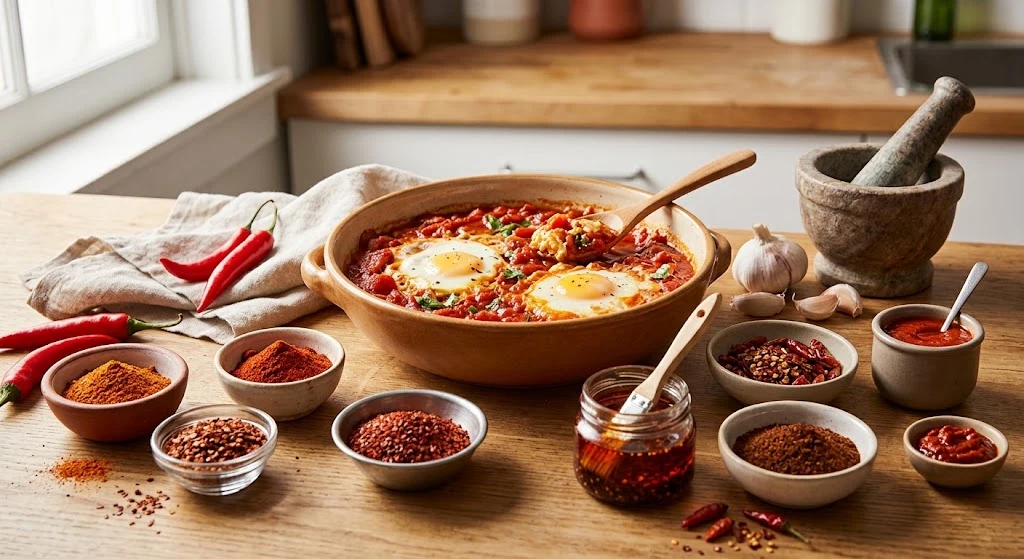
Out of chili flakes? Discover the best easy substitutes, exact starting ratios, heat levels, flavor differences, and cooking tips so you can save your recipe without sacrificing flavor.
Quick Answer: What’s the Best Chili Flakes Substitute?
The best substitute for chili flakes is usually crushed red pepper flakes, since they offer a very similar texture and heat and can generally be used 1:1.
For more heat, try cayenne pepper. For a milder option, choose sweet or mild paprika. Gochugaru, Aleppo pepper, chipotle powder, chili powder, fresh red chili, and hot sauce can also work depending on the recipe.
If you’re out of chili flakes, don’t worry — there are several easy swaps. The best substitute for chili flakes depends on how much heat, flavor, and texture you want.
For a close match, use crushed red pepper flakes. If you prefer less heat, try paprika. Want something hotter? Cayenne pepper is a powerful choice. You can also use chili powder, gochugaru, Aleppo pepper, chipotle powder, fresh red chili, or hot sauce.
What Are Chili Flakes?
Before choosing the best chili flakes substitute, it helps to understand what chili flakes actually contribute to a recipe.
What Are Chili Flakes Made From?
Chili flakes are made from dried red chili peppers that have been crushed into small pieces. Seeds are commonly retained, although the exact appearance and heat level vary by product.
Flavor Profile
Chili flakes provide a noticeable combination of heat, pepper flavor, and texture. They are dry, so they add spice without introducing the moisture that comes with hot sauce or fresh chilies.
Average Heat Level
There is no single Scoville rating for all chili flakes because the heat depends on the pepper variety and blend used. Typical crushed red pepper products are often moderately hot, but individual brands can vary considerably.
Texture
Their coarse, dry texture makes chili flakes especially useful as a finishing ingredient for pizza, pasta, soups, salads, and stir-fries.
Chili Flakes vs Crushed Red Pepper
Many people ask, “Is crushed red pepper the same as chili flakes?”
In everyday cooking, the terms are often used interchangeably. However, products can differ in pepper variety, seed content, flake size, and heat level. Always check the label if precise heat matters.
If you have a bottle labeled crushed red pepper, it is usually the first substitute to reach for. Start with a 1:1 ratio and adjust to taste.
Chili Flakes vs Chili Powder
| Ingredient | What It Is | Texture | Flavor Impact |
|---|---|---|---|
| Chili flakes | Crushed dried chilies | Coarse flakes | Heat + pepper flavor |
| Crushed red pepper | Crushed dried peppers, often similar to chili flakes | Coarse flakes | Heat + texture |
| Chili powder | Often a ground chili-based seasoning blend | Fine powder | Can add cumin, garlic, oregano, and other flavors |
Because chili powder can contain additional spices, it is not always a flavor-neutral replacement for chili flakes.
Chili Flakes Heat Level Explained
Heat is measured using the Scoville Heat Units (SHU) scale. Higher numbers indicate hotter peppers or pepper products. Exact values vary by pepper variety, growing conditions, processing, and brand.
| Spice / Pepper | Approx. SHU Range | General Heat | Best For |
|---|---|---|---|
| Sweet paprika | 0–500 | Very mild | Color, gentle pepper flavor |
| Gochugaru | ~1,500–10,000 | Mild–medium | Korean dishes |
| Aleppo pepper | ~10,000–15,000 | Medium | Mediterranean dishes |
| Chipotle powder | ~2,500–8,000+ | Medium, smoky | BBQ, marinades, sauces |
| Cayenne pepper | ~30,000–50,000 | Hot | Strong, clean heat |
| Thai chili | ~50,000–100,000+ | Very hot | Thai dishes, spicy sauces |
Pepper heat varies naturally. Treat Scoville figures as a guide, not an exact measurement for every package. When substituting a hotter pepper, start with less and add more gradually.
How to Choose the Right Chili Flakes Substitute
Choosing the right substitute is about more than heat. Consider texture, flavor, moisture, cuisine, and cooking method before making your swap.
🌶️ Want Similar Heat & Texture?
Choose crushed red pepper flakes for the closest everyday replacement.
Use 1:1🌿 Want Less Heat?
Sweet or mild paprika adds color and pepper flavor with much less heat.
Start 1:1🔥 Want More Heat?
Cayenne is considerably hotter and works especially well in sauces, soups, and marinades.
Start with ½ tsp🌫️ Want Smoky Flavor?
Chipotle powder brings smoky, earthy depth along with moderate heat.
Use sparingly🇰🇷 Cooking Korean Food?
Gochugaru is an excellent choice when you want a Korean-style pepper flavor.
Start 1:1🌶️ Need Fresh Brightness?
Fresh red chili works beautifully in stir-fries, curries, and sauces but adds moisture.
Adjust to taste9 Best Chili Flakes Substitutes
Here are the most useful chili flakes substitutes, from the closest match to specialty alternatives. Use the ratios as starting points and adjust according to the specific product and your preferred heat level.
Cayenne Pepper
A strong option when you want more heat without adding moisture.
Best when you want heat, not flake texture.
Crushed Red Pepper
Usually the closest match to chili flakes in everyday cooking.
Paprika
One of the best mild options when you want color without much heat.
Chili Powder
Useful in dishes where additional seasoning fits the recipe.
Check the ingredient list because chili powder blends vary.
Fresh Red Chili
Adds bright, fresh pepper flavor and works particularly well in Asian-style dishes.
Because fresh chilies contain water, they change the texture.
Gochugaru
A Korean chili pepper that provides a fruity, gently smoky character.
Aleppo Pepper
Fruity and moderately spicy, making it excellent for finishing dishes.
Chipotle Powder
A great choice when smoky depth is more important than matching the original flavor exactly.
Hot Sauce
Convenient for soups, sauces, dips, and marinades where adding liquid is acceptable.
Not ideal when the recipe needs a dry ingredient.
Chili Flakes Substitution Conversion Chart
The right amount depends on the strength of the substitute. Use the following chart as a practical starting point rather than a rigid rule.
| Recipe Calls For | Substitute | Starting Amount | What Changes? |
|---|---|---|---|
| 1 tsp chili flakes | Cayenne pepper | ½ tsp | More concentrated heat; no texture |
| 1 tsp chili flakes | Sweet/mild paprika | 1 tsp | Much less heat |
| 1 tsp chili flakes | Chili powder | ¾ tsp | Adds other seasoning |
| 1 tsp chili flakes | Crushed red pepper | 1 tsp | Usually the closest match |
| 1 tsp chili flakes | Gochugaru | 1 tsp | Milder, fruitier flavor |
| 1 tsp chili flakes | Chipotle powder | ¾ tsp | Smokier flavor |
| 1 tsp chili flakes | Hot sauce | ½ tsp+ | Adds moisture and acidity |
If you’re unsure about the strength of your substitute, use half the estimated amount first, taste the dish, and add more gradually.
Best Chili Flakes Substitute by Dish
| Dish | Best Substitute | Why It Works | Starting Ratio |
|---|---|---|---|
| Pizza | Crushed red pepper | Closest texture and familiar pepper heat | 1:1 |
| Pasta sauce | Cayenne or chili powder | Blends easily into sauce | ½–¾ tsp per tsp flakes |
| Soup | Cayenne or hot sauce | Distributes heat evenly | Start small |
| Curry | Fresh red chili or gochugaru | Adds pepper flavor and warmth | Adjust to taste |
| Marinade | Chipotle powder | Adds smoky depth | Start with ¾ tsp |
| Stir-fry | Fresh red chili or crushed red pepper | Works well with high-heat cooking | 1:1 starting point |
| Chili / stew | Chili powder | Fits the savory spice profile | Start with ¾ tsp |
Best Chili Flakes Substitute by Cuisine
🇮🇹 Italian Cuisine
For pasta, pizza, and arrabbiata-style sauces, use crushed red pepper for the closest match.
🇲🇽 Mexican Cuisine
Chili powder works particularly well in tacos, chili, and enchiladas when its additional spices fit the recipe.
🇮🇳 Indian Cuisine
Use fresh red chili or cayenne when you want pronounced heat in curries and sauces.
🇰🇷 Korean Cuisine
Gochugaru is the natural choice when you want Korean-style chili flavor.
🇹🇭 Thai Cuisine
Fresh red chili or Thai chili powder works well for the bright, sharp heat common in Thai cooking.
🌿 Mediterranean Cuisine
Aleppo pepper is an excellent option when you want fruity, moderate heat.
Best Mild Alternatives to Chili Flakes
If regular chili flakes are too hot, these options provide flavor and color without the same level of heat.
Sweet or Mild Paprika
A simple choice for color, gentle pepper flavor, and almost no heat compared with typical chili flakes.
Ancho Chili Powder
Mild, slightly sweet, and earthy. Excellent for sauces, chili, and marinades.
Bell Pepper Flakes
Virtually heat-free and useful when you mainly want dried pepper texture and color.
Best Extra-Spicy Alternatives
If chili flakes aren’t hot enough, stronger pepper products can increase the heat quickly.
🔥 Cayenne Pepper
The most practical everyday choice when you want concentrated, clean heat.
🔥 Thai Chili Powder
Much hotter than many standard chili-flake products. Excellent for spicy noodles, stir-fries, and Thai curries.
⚠️ Ghost Pepper Powder
An extreme option that is dramatically hotter than ordinary chili flakes.
Superhot pepper powders can cause significant irritation. Avoid touching your eyes or face after handling them, wash your hands thoroughly, and keep powders away from children and pets.
Best Chili Flakes Substitute by Cooking Method
| Cooking Method | Recommended Substitute | Why |
|---|---|---|
| Baking | Paprika or chili powder | Distributes evenly through the dish |
| Frying | Crushed red pepper | Releases pepper flavor in hot oil |
| Simmering | Cayenne or hot sauce | Blends smoothly through liquids |
| Grilling | Chipotle powder | Adds smoky depth to marinades and rubs |
| Raw finishing | Crushed red pepper or Aleppo pepper | Provides visible texture and flavor |
How to Make Homemade Chili Flakes
If you have dried chilies available, making your own chili flakes is surprisingly easy.
🌶️ Homemade Chili Flakes
A simple DIY substitute when you’re out of store-bought flakes.
What You Need
- Dried red chilies
- Mortar and pestle or spice grinder
- Airtight storage container
Method
- Remove the stems from the dried chilies.
- Remove some seeds if you want to reduce the heat.
- Crush the chilies using a mortar and pestle or pulse briefly in a spice grinder.
- Stop before the chilies become a fine powder.
- Transfer the flakes to an airtight container.
Oven-Drying Fresh Chilies
If you only have fresh chilies, slice them lengthwise and dry them at a low oven temperature until completely dry and crisp. A low temperature around 170°F / 75°C can work, but drying time varies according to pepper size, moisture, and oven performance.
Any remaining moisture can encourage spoilage during storage. Dry the peppers until they are crisp and brittle before crushing and storing.
Storage Recommendations
Store homemade chili flakes in an airtight container in a cool, dry, dark place. For the best flavor and aroma, use them while they are still fresh rather than keeping them indefinitely.
What to Do If Your Dish Becomes Too Spicy
If a chili-flake substitute makes your dish hotter than expected, you can often rebalance it. The best solution depends on the type of dish.
🥛 Add Dairy
Yogurt, cream, milk, sour cream, butter, or cheese can work in suitable dishes. Dairy fat and proteins can help make chili heat feel less intense.
🍯 Add Sweetness
A small amount of sugar, honey, maple syrup, or another suitable sweet ingredient can balance sharp heat.
🍋 Add Acidity
Lemon juice, lime juice, or vinegar can brighten a spicy dish and balance its overall flavor.
🥣 Increase the Volume
Add more broth, sauce, vegetables, beans, or protein to spread the heat through a larger amount of food.
🍚 Add Starch
Rice, bread, pasta, tortillas, and potatoes can help make a spicy meal easier to eat.
Make corrections gradually. Add a small amount, mix thoroughly, taste, and repeat until the heat is balanced.
Storage & Shelf Life of Chili-Flake Substitutes
Proper storage matters because dried spices gradually lose aroma, color, and heat over time.
| Ingredient | Typical Quality Window | Best Storage |
|---|---|---|
| Ground spices | Often about 1–2 years for best quality | Cool, dark, dry, airtight |
| Whole dried chilies | Often about 1–2+ years for best quality | Airtight and away from moisture |
| Chili flakes | Best quality declines gradually with age | Airtight, cool, dark cabinet |
| Hot sauce | Varies by product | Follow package instructions |
How to Maintain Freshness
- Store spices in airtight containers.
- Keep them away from heat and direct light.
- Protect them from moisture.
- Avoid shaking spices directly over steaming pots.
- Keep containers away from the hottest area beside the stove.
Signs Your Spice Has Gone Stale
- Faded color
- Weak aroma
- Reduced heat
- Moisture-related clumping
Frequently Asked Questions About Chili Flakes Substitutes
Is crushed red pepper the same as chili flakes?
In many kitchens, yes. Both commonly refer to dried red chilies crushed into flakes. However, pepper varieties, seed content, flake size, and heat can vary between products.
Can I use paprika instead of chili flakes?
Yes. Sweet or mild paprika is a good choice when you want color and pepper flavor with much less heat. Start with a 1:1 ratio, then adjust to taste.
What is the best mild substitute for chili flakes?
Sweet or mild paprika is one of the easiest mild substitutes. Ancho chili powder and bell pepper flakes are also useful options.
What is the spiciest substitute for chili flakes?
Thai chili powder can be considerably hotter than typical chili flakes. Superhot powders such as ghost pepper are much stronger and should only be used in tiny quantities.
Can I use fresh chili instead?
Yes. Fresh red chili works particularly well in stir-fries, curries, and sauces. Keep in mind that it adds moisture and a fresher flavor.
How much cayenne equals 1 teaspoon of chili flakes?
A practical starting point is ½ teaspoon cayenne for 1 teaspoon chili flakes. Because cayenne can be much hotter, start conservatively.
Are chili flakes gluten-free?
Plain chili flakes made only from dried peppers are naturally gluten-free. Check the label when buying blends or flavored seasoning products, especially if cross-contact matters to you.
Chili Flakes vs Other Spices
| Spice | Heat Compared With Chili Flakes | Texture | Main Flavor | Best Use |
|---|---|---|---|---|
| Chili flakes | Baseline | Coarse | Sharp dried-chili flavor | Pizza, pasta, finishing |
| Cayenne | Much hotter | Fine powder | Clean, sharp heat | Sauces, soups |
| Paprika | Much milder | Fine powder | Sweet, earthy | Color, mild seasoning |
| Chili powder | Usually milder | Fine powder | Blended spices | Chili, tacos |
| Gochugaru | Usually milder | Coarse to fine | Fruity, gently smoky | Korean dishes |
Final Recommendation: Which Chili Flakes Substitute Should You Use?
If you want the closest replacement, choose crushed red pepper flakes and use them 1:1.
Choose paprika for a mild option, cayenne for extra heat, chipotle powder for smoky flavor, gochugaru for Korean recipes, Aleppo pepper for fruity Mediterranean-style heat, and fresh red chili when you want bright, fresh pepper flavor.
The key is to remember that substitution ratios are starting points. Pepper varieties and products differ, so taste as you go and adjust the amount to suit your dish.
Quick Decision Guide
| If You Want… | Best Choice | Starting Ratio |
|---|---|---|
| Same general heat & texture | Crushed red pepper flakes | 1:1 |
| Less heat | Sweet or mild paprika | 1:1 |
| More heat | Cayenne pepper | ½ tsp per 1 tsp flakes |
| Smoky flavor | Chipotle powder | ¾ tsp per 1 tsp flakes |
| Korean-style flavor | Gochugaru | 1:1 |
| Fresh heat | Fresh red chili | Start with 1 small chili |
| Blended savory spice | Chili powder | ¾ tsp per 1 tsp flakes |
| Fruity Mediterranean heat | Aleppo pepper | 1:1 |