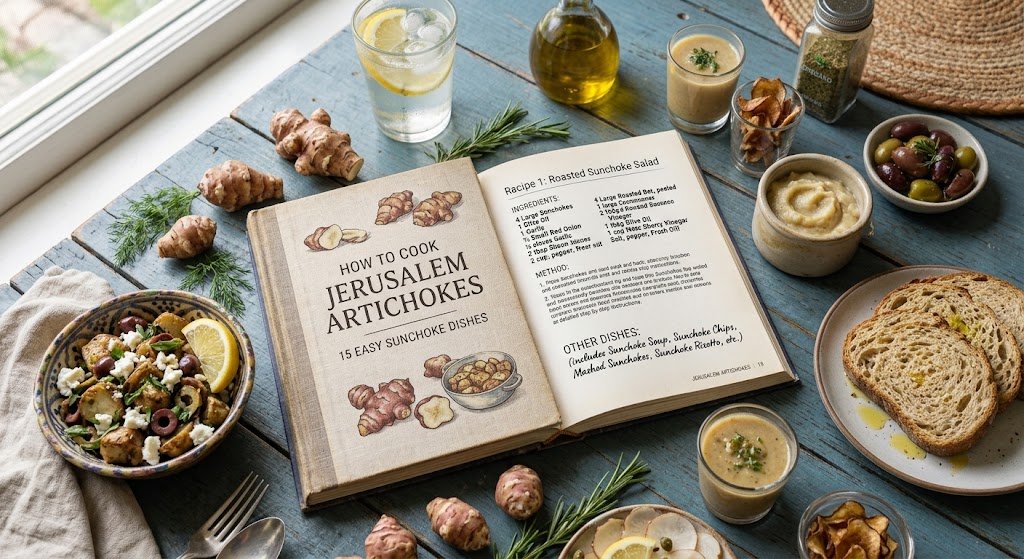
Discover delicious ways to cook Jerusalem artichokes, from crispy roasted sunchokes and creamy soup to mash, risotto, gratin, salads, and more. Plus, learn how to choose, clean, store, and prepare this unique root vegetable.
Jerusalem artichoke recipes are becoming increasingly popular among home cooks seeking something nutritious, unique, and full of flavor. Despite the name, Jerusalem artichokes are not related to traditional artichokes. They are actually a root vegetable, also known as sunchokes, with a slightly nutty and sweet flavor that many people compare to a mix of potatoes and artichokes.
Because of their versatility, there are many ways to enjoy them, from roasted Jerusalem artichokes and creamy Jerusalem artichoke soup to simple sunchoke side dishes. If you are wondering how to cook Jerusalem artichokes or looking for easy Jerusalem artichoke recipes, this guide will help you explore the best options.
What Are the Best Jerusalem Artichoke Recipes?
The most popular ways to cook Jerusalem artichokes include roasting, sautéing, boiling, frying, and blending them into soups or purées. Some of the best options are roasted Jerusalem artichokes with garlic and herbs, creamy Jerusalem artichoke soup, sunchoke mash, chips, risotto, gratin, salads, and vegan grain bowls.
For the easiest preparation, toss cleaned sunchokes with olive oil, garlic, herbs, salt, and pepper, then roast until golden and tender. Roasting brings out their naturally nutty, slightly sweet flavor.
Jerusalem Artichokes at a Glance
Also Called
Sunchokes, sunroot, and Helianthus tuberosus.
Flavor
Mild, nutty, earthy, and slightly sweet with a creamy texture when cooked.
Best Easy Method
Roast with olive oil, garlic, herbs, salt, and pepper until golden and tender.
What Are Jerusalem Artichokes?
Jerusalem artichokes are unique underground tubers that belong to the sunflower family. Despite their name, they are not related to globe artichokes and are not from Jerusalem.
Their mildly sweet, nutty flavor makes them useful in everything from roasted Jerusalem artichokes and creamy soups to mashed side dishes, salads, and more creative sunchoke recipes.
Origin and Botanical Background
Jerusalem artichokes are native to North America, where Indigenous communities cultivated and consumed them for centuries. Their scientific name is Helianthus tuberosus, reflecting their relationship to sunflowers.
The plant develops tall stems and yellow flowers above ground while its edible tubers develop underground. The crop eventually spread to Europe and became part of traditional cooking in several regions.
Why Are They Called Jerusalem Artichokes?
The name is misleading because the vegetable is neither from Jerusalem nor a true artichoke. One commonly cited explanation connects the name with the Italian girasole, meaning sunflower, which may have been transformed over time into “Jerusalem.”
The “artichoke” portion of the name is thought to relate to the tuber’s subtle artichoke-like flavor when cooked.
Other Names: Sunchoke, Sunroot & Helianthus Tuberosus
Sunchoke is one of the most common modern names for Jerusalem artichokes. You may also see the terms sunroot and Helianthus tuberosus.
What Do Jerusalem Artichokes Taste Like?
Jerusalem artichokes have a mild, nutty, earthy, and slightly sweet flavor. Their flavor becomes deeper and more caramelized when roasted or sautéed.
Raw sunchokes are crisp and refreshing, while cooked tubers become soft and creamy. This makes them suitable for everything from salads to mash and puréed soups.
Flavor Profile and Texture
| Preparation | Texture | Flavor |
|---|---|---|
| Raw | Crisp and crunchy | Fresh, mild, slightly sweet |
| Roasted | Crispy outside, tender inside | Nutty, sweet, caramelized |
| Boiled | Soft and creamy | Mild and earthy |
| Purée | Smooth and creamy | Rich, nutty, subtly sweet |
Comparison With Potatoes and Artichokes
Sunchokes can be used in some of the same ways as potatoes, but they have a more distinctive nutty sweetness and a subtle artichoke-like quality. Roasting particularly enhances their natural caramelized flavor.
Why Chefs Love Cooking With Sunchokes
Chefs appreciate sunchokes because they can be roasted, sautéed, boiled, fried, puréed, or incorporated into sophisticated vegetable dishes. They also absorb the flavors of ingredients such as garlic, herbs, lemon, butter, olive oil, mushrooms, and cheese.
Why Jerusalem Artichokes Are Becoming Popular Again
Jerusalem artichokes have attracted renewed interest among cooks looking for seasonal vegetables with distinctive flavor and culinary versatility. Their ability to work in both rustic and restaurant-style dishes makes them particularly appealing.
Farm-to-Table Cooking Trend
Sunchokes are a natural fit for seasonal cooking. They are generally associated with fall and winter harvests and can be found at farmers’ markets, specialty stores, and some larger grocery stores during their season.
Gut-Health Reputation
Their naturally occurring inulin fiber is one reason sunchokes have attracted attention from people interested in fiber-rich foods and gut health. However, more is not necessarily better: people who are sensitive to fermentable fibers may experience gas or bloating.
Increasing Use in Modern Restaurants
Their creamy texture and distinctive flavor allow chefs to use them in elegant preparations such as silky soups, caramelized sunchokes, purées, risottos, and vegetable-forward entrées.
How to Choose Fresh Jerusalem Artichokes
Fresh tubers make a noticeable difference in texture and flavor. Look for Jerusalem artichokes that are firm, relatively heavy for their size, and free from mold or major soft spots.
What to Look for When Buying
- Choose firm tubers that do not feel soft or spongy.
- Look for relatively smooth skin with minimal shriveling.
- Smaller tubers can be easier to scrub and prepare.
- Avoid pieces with significant mold, wet decay, or deep soft spots.
Seasonality and Availability
Jerusalem artichokes are commonly associated with late fall and winter. Availability varies by region, so farmers’ markets and specialty produce sections can be useful places to look.
Signs of Freshness
Good sunchokes should feel solid and reasonably crisp. Avoid tubers that are heavily wrinkled, slimy, moldy, or noticeably soft.
How to Prepare Jerusalem Artichokes Before Cooking
Because sunchokes grow underground and have a knobby shape, careful cleaning is one of the most important preparation steps.
Cleaning and Scrubbing the Tubers
Rinse them thoroughly under cool running water and use a vegetable brush to remove soil from the crevices. Trim away damaged areas before cooking.
Should You Peel Jerusalem Artichokes?
No, peeling is usually unnecessary. The skin is edible and generally becomes tender when cooked. Scrub the tubers well and peel only when you specifically want a smoother appearance or are working with unusually rough skin.
Preventing Discoloration
Cut sunchokes can darken when exposed to air. If you are preparing them ahead of time, placing the cut pieces in cold water with a little lemon juice can help slow discoloration.
How to Reduce the Gas Effect
Sunchokes contain inulin, a fermentable prebiotic fiber that can cause gas or bloating for some people. Individual tolerance varies.
- Start with a modest portion if you are new to sunchokes.
- Cook them thoroughly.
- Increase portions gradually if you tolerate them well.
- Pair them with flavors such as ginger, fennel, lemon, or herbs if desired.
Best Cooking Methods for Jerusalem Artichokes
One of the biggest advantages of sunchokes is their versatility. The best method depends on whether you want crisp edges, creamy texture, or a light vegetable dish.
| Cooking Method | Best For | Result |
|---|---|---|
| Roasting | Side dishes | Golden, crispy edges and tender centers |
| Sautéing | Quick meals | Browned and tender slices |
| Boiling | Mash and purées | Soft and creamy |
| Frying | Chips and snacks | Crisp and crunchy |
| Soup/Purée | Comforting meals | Silky and creamy |
Roasting
Roasted Jerusalem artichokes are one of the easiest ways to showcase this vegetable. Toss sliced tubers with olive oil, garlic, herbs, salt, and pepper, then roast until golden and tender.
Sautéing
Thinly sliced sunchokes cook quickly in a skillet. Add butter or olive oil with garlic, onions, herbs, or lemon for a simple weeknight side.
Boiling
Boiling softens the tubers and makes them ideal for Jerusalem artichoke mash and purées. Drain well before mashing to avoid a watery result.
Frying
Thin slices can be fried until crisp to create Jerusalem artichoke chips. They make an interesting snack or garnish.
Making Soups and Purées
Cooked sunchokes blend into a naturally creamy texture, making them excellent for Jerusalem artichoke soup and vegetable purées.
15 Best Jerusalem Artichoke Recipes to Try
Ready to cook? These ideas cover crispy, creamy, fresh, hearty, vegetarian, and plant-based ways to enjoy sunchokes.
Roasted Jerusalem Artichokes With Garlic & Herbs
Toss cleaned sunchokes with olive oil, garlic, thyme or rosemary, salt, and pepper. Roast until golden, crispy, and tender. Finish with lemon or parsley.
Creamy Jerusalem Artichoke Soup
Simmer sunchokes with onion, garlic, and broth, then blend until smooth. Add cream or another preferred finishing ingredient for extra richness.
Jerusalem Artichoke Mash
Boil the tubers until tender, drain thoroughly, and mash with butter, cream, olive oil, salt, and pepper for a potato-style side with more personality.
Jerusalem Artichoke Chips
Thinly slice sunchokes and bake or fry until crisp. Season simply with salt, pepper, herbs, or a touch of chili.
Jerusalem Artichoke Risotto
Combine sautéed sunchokes with creamy Arborio rice, broth, herbs, and Parmesan for an elegant cold-weather meal.
Jerusalem Artichoke Gratin
Layer thinly sliced sunchokes with cream, cheese, and herbs, then bake until tender underneath and beautifully golden on top.
Sautéed Sunchokes With Lemon & Butter
Pan-cook sliced sunchokes in butter or olive oil, then brighten the dish with fresh lemon juice and herbs.
Caramelized Jerusalem Artichokes
Slowly cook the tubers until deeply golden. The gentle cooking process brings out their natural sweetness and nutty character.
Fresh Jerusalem Artichoke Salad
Thinly slice raw sunchokes and combine them with greens, herbs, lemon dressing, and other crisp vegetables for a fresh seasonal salad.
Vegan Jerusalem Artichoke Bowl
Build a satisfying bowl with roasted sunchokes, quinoa or rice, fresh vegetables, legumes, and a creamy plant-based dressing.
Garlic & Rosemary Sunchoke Skillet
Sauté sliced tubers with olive oil, garlic, rosemary, black pepper, and a squeeze of lemon for a quick vegetable side.
Jerusalem Artichoke & Mushroom Sauté
Pair browned sunchokes with mushrooms, garlic, thyme, and parsley for a savory vegetable dish with plenty of earthy flavor.
Jerusalem Artichoke & Leek Soup
Combine sunchokes and leeks with broth, herbs, and seasoning, then blend for a smooth soup with a delicate onion flavor.
Herbed Roasted Sunchoke & Vegetable Tray
Roast sunchokes with carrots, onions, mushrooms, or other seasonal vegetables for an easy one-pan side dish.
Warm Sunchoke & Quinoa Bowl
Combine roasted Jerusalem artichokes with quinoa, leafy greens, herbs, and a lemony dressing for a hearty plant-forward meal.
Best Flavor Pairings for Jerusalem Artichokes
Sunchokes have a naturally mild flavor, so they work with a wide variety of herbs, vegetables, proteins, and sauces.
| Pairing Category | Great Choices | Why They Work |
|---|---|---|
| Herbs | Thyme, rosemary, parsley, sage, chives | Enhance earthy and nutty flavors |
| Seasonings | Garlic, black pepper, paprika, cumin, nutmeg | Add warmth and depth |
| Bright flavors | Lemon, vinegar | Balance the natural sweetness |
| Proteins | Chicken, fish, beef, lamb | Create satisfying complete meals |
| Plant proteins | Lentils, chickpeas, tofu, quinoa | Excellent for plant-based dishes |
| Vegetables | Leeks, mushrooms, carrots, onions, spinach | Complement their earthy sweetness |
Herbs and Spices That Complement Sunchokes
Thyme, rosemary, parsley, sage, chives, garlic, black pepper, paprika, cumin, and nutmeg all work well. Lemon juice and good olive oil are also excellent finishing ingredients.
Proteins That Pair Well
Serve roasted or sautéed sunchokes with chicken, fish, beef, or lamb. For plant-based meals, combine them with lentils, chickpeas, tofu, or quinoa.
Vegetables That Enhance Flavor
Carrots, potatoes, leeks, onions, mushrooms, and spinach can all complement the earthy sweetness of Jerusalem artichokes.
Jerusalem Artichoke Nutrition Facts & Health Benefits
Jerusalem artichokes can be a nutritious addition to a varied diet. They provide carbohydrates, fiber, and several micronutrients while containing very little fat.
Calories and Macronutrients
Sunchokes provide carbohydrates for energy and contain relatively small amounts of protein and fat. Their fiber content can help make vegetable-based meals more filling.
Inulin Fiber and Gut Health
One of their defining nutritional characteristics is inulin, a prebiotic fiber that can be fermented by gut bacteria. This is one reason sunchokes are often included in discussions about fiber-rich foods.
Vitamins and Minerals
Jerusalem artichokes provide nutrients including potassium, iron, vitamin C, and B vitamins. Their overall contribution depends on serving size and the rest of the meal.
Possible Side Effects & Digestive Tips
The same inulin that makes Jerusalem artichokes interesting from a fiber perspective can also cause gas, bloating, or abdominal discomfort in some people. Tolerance varies considerably from person to person.
Why Jerusalem Artichokes Can Cause Gas
Inulin is a fermentable fiber. Gut bacteria break it down during fermentation, and gas can be produced as part of that process. Large servings may therefore be more difficult to tolerate than small ones.
Cooking Tricks to Improve Digestion
Thorough cooking can make the tubers softer and more pleasant to eat, although it does not guarantee that inulin-related symptoms will be prevented. Starting with a smaller portion is often the most practical approach.
Recommended Portion Approach
If you have never eaten sunchokes before, consider starting with a small side portion rather than a large bowl. If you tolerate them comfortably, you can gradually increase the serving size on future occasions.
Common Cooking Mistakes to Avoid
1. Overcooking the Tubers
Sunchokes can become overly soft if cooked for too long. For roasted or sautéed preparations, aim for tender centers with browned edges.
2. Not Balancing Flavors
Their natural sweetness benefits from contrast. Garlic, lemon, fresh herbs, black pepper, and savory ingredients help create a more balanced dish.
3. Using Too Much Water
Excess water can dilute the flavor. Roasting and sautéing are especially useful when you want concentrated, caramelized flavor.
How to Store Jerusalem Artichokes
Proper storage helps preserve the texture and quality of fresh sunchokes so you can use them in roasted dishes, soups, mash, and other recipes.
Refrigerator Storage
Keep unwashed Jerusalem artichokes in the refrigerator, ideally in a paper bag or perforated produce bag. Avoid washing them until you are ready to cook them.
Depending on their freshness when purchased and storage conditions, they may remain usable for roughly 1–2 weeks.
Freezing Cooked Sunchokes
Cooked sunchokes can be frozen in airtight, freezer-safe containers. Allow them to cool before packaging and label the container with the date.
For best quality, use frozen cooked preparations within approximately 2–3 months.
Shelf Life and Freshness Tips
- Keep fresh tubers refrigerated.
- Do not wash them until ready to use.
- Check periodically for soft or moldy areas.
- Use wrinkled or aging tubers promptly if they are still sound.
⭐ Featured Recipe: Roasted Jerusalem Artichokes With Garlic & Herbs
This easy roasted sunchoke recipe is one of the best ways to experience the vegetable’s naturally nutty flavor. The high-heat roasting creates golden edges and tender centers, while garlic, herbs, and lemon add brightness.
Ingredients
- 500 g Jerusalem artichokes (sunchokes), cleaned and sliced
- 2 tablespoons olive oil
- 3 garlic cloves, minced
- 1 teaspoon fresh thyme or rosemary
- ½ teaspoon salt
- ½ teaspoon black pepper
- 1 tablespoon lemon juice, optional
- 1 tablespoon chopped parsley, for garnish
Instructions
Cooking Tips
- Cut the tubers into similar sizes for even cooking.
- Dry them well after washing for better browning.
- Do not overcrowd the baking tray.
- Add Parmesan or chili flakes at the end if desired.
- Lemon helps balance the sunchokes’ natural sweetness.
Serving Suggestions
Serve roasted Jerusalem artichokes alongside:
- Grilled chicken or fish
- Roasted seasonal vegetables
- Quinoa or rice bowls
- Lentils or chickpeas
- A fresh green salad
FAQs About Jerusalem Artichoke Recipes
What do Jerusalem artichokes taste like?
They have a mild, nutty, earthy, and slightly sweet flavor. When roasted, their flavor becomes deeper and more caramelized.
Are sunchokes the same as Jerusalem artichokes?
Yes. Sunchoke is another common name for Jerusalem artichoke, the tuber of Helianthus tuberosus.
Can you eat Jerusalem artichokes raw?
Yes. Raw sunchokes are crisp and can be thinly sliced into salads or other fresh vegetable dishes.
Do you have to peel Jerusalem artichokes?
Usually not. The skin is edible and becomes tender when cooked. Scrub the tubers thoroughly and peel only when you want a smoother preparation.
Are Jerusalem artichokes healthy?
They can be a nutritious addition to a balanced diet and provide fiber, carbohydrates, potassium, iron, vitamin C, and other nutrients.
Why do Jerusalem artichokes cause gas?
Their inulin content can be fermented by gut bacteria, which may lead to gas or bloating in some people. Smaller portions may be easier to tolerate.
Read More :