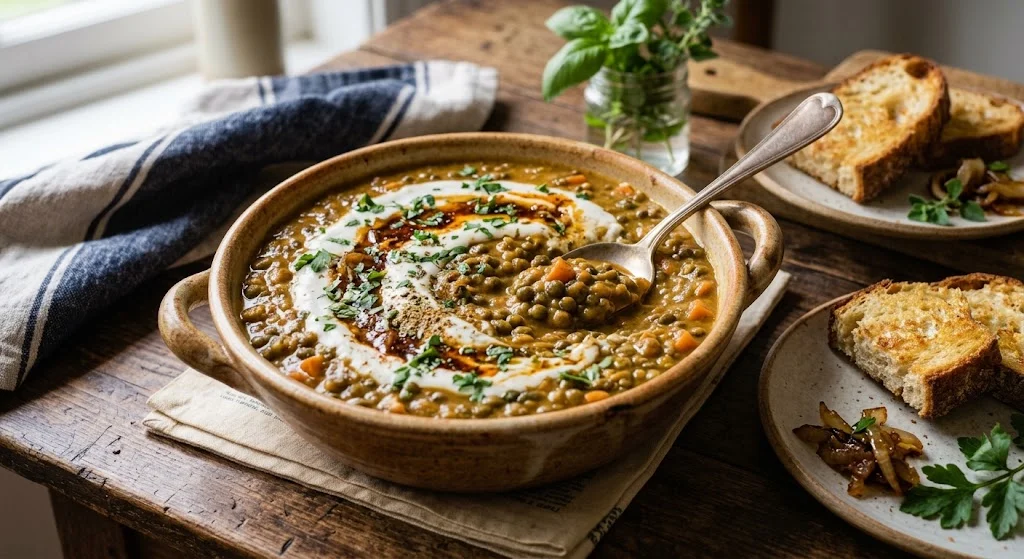
Learn how to make rich, hearty ndengu stew with tender green grams, tomatoes, onions, garlic, ginger, and warm spices. This easy Kenyan classic is affordable, protein-rich, and perfect with chapati, rice, or ugali.
Ndengu Stew at a Glance
Easy Kenyan Ndengu Stew Recipe
Rich, comforting green grams simmered in a fragrant tomato and spice sauce.
Ingredients
- 1 cup green grams (ndengu), about 200g
- 3–4 cups water for boiling
- 2 tablespoons cooking oil
- 1 medium onion, chopped
- 2 medium tomatoes, chopped
- 2 garlic cloves, minced
- 1 teaspoon grated ginger
- 1 teaspoon curry powder
- ½ teaspoon turmeric, optional
- Salt to taste
- ½ cup coconut milk, optional
- 1 cup diced carrot or potato, optional
- Fresh coriander and chili, optional
Method
- Rinse and soak: Wash the green grams thoroughly. Soak for 6–8 hours or overnight when possible.
- Boil: Drain the soaking water, add fresh water, and simmer until the ndengu are completely tender.
- Build the sauce: Sauté onion until soft and lightly golden. Add garlic and ginger, then cook briefly until fragrant.
- Add tomatoes: Cook until the tomatoes break down into a thick sauce and the mixture becomes rich and aromatic.
- Season: Add curry powder, turmeric, black pepper, chili if desired, and salt.
- Combine: Add the cooked green grams and some cooking liquid. Stir well.
- Simmer: Cook gently for 10–15 minutes. Add coconut milk, carrots, or potatoes if using.
- Finish: Adjust the thickness and seasoning. Garnish with fresh coriander.
Ndengu stew is a beloved Kenyan green grams stew made from tender mung beans simmered with onions, tomatoes, garlic, and warm spices. In many Kenyan homes, this simple dish is a daily comfort meal because it is affordable, filling, and rich in plant-based protein.
If you have ever wondered how to cook ndengu stew with chapati, this guide will walk you through it step by step.
The beauty of this ndengu stew recipe is its balance — soft green grams, a thick tomato base, and gentle spice that pairs beautifully with warm chapati, rice, or ugali. Whether you call them green grams or mung beans, this hearty Kenyan mung bean curry is easy to prepare and deeply satisfying.
What Is Ndengu? Kenyan Green Grams Explained
In Kenya, the word “ndengu” refers to green grams, a small green legume widely used in everyday cooking. Ndengu is known for being nutritious, affordable, and easy to prepare.
When people talk about ndengu stew, they generally mean green grams cooked until tender and combined with a rich tomato and spice base.
Difference Between Green Grams and Mung Beans
There is no real ingredient difference between green grams and mung beans. They are the same legume. In Kenya and much of East Africa they are commonly called green grams or ndengu, while internationally they are often called mung beans.
Why Ndengu Is Common in Kenyan Homes
- High in protein and fiber
- Easy to cook after soaking
- Budget-friendly
- Filling and satisfying
Many families prepare ndengu stew with chapati, rice, or ugali for lunch or dinner. Its affordability also makes it practical for feeding several people.
Cultural Importance in Kenya
In Kenyan cuisine, ndengu is a familiar home-style comfort food. Simple ingredients are transformed into a nourishing meal that can be enjoyed throughout the day.
Why Ndengu Is Affordable and Widely Eaten in East Africa
Green grams are practical pantry staples because they are relatively easy to store and can provide a substantial meal without relying on expensive meat ingredients. Their combination of nutrition, affordability, and versatility helps explain their popularity.
Why You’ll Love This Ndengu Stew Recipe
Budget-Friendly and Filling
One of the biggest advantages of ndengu stew is that it is affordable yet satisfying. Green grams provide protein and fiber while working beautifully with inexpensive staples such as chapati, rice, and ugali.
High-Protein Vegetarian Meal
If you want a plant-based protein option, ndengu is an excellent choice. Green grams naturally provide protein, fiber, and several important micronutrients.
Easy to Customize
- Add coconut milk for a creamy version.
- Add extra chili for a spicy ndengu curry.
- Add carrots or potatoes for more texture.
- Keep it simple with tomatoes and onions.
- Make ndengu stew without coconut milk for a lighter tomato base.
Perfect With Chapati or Rice
Ndengu stew with chapati is a particularly satisfying combination. The chapati absorbs the flavorful sauce, while steamed rice and ugali provide equally comforting alternatives.
Meal-Prep Friendly
A large batch of Kenyan green grams stew can be portioned for several meals. It reheats well and can also be frozen for later use.
Ingredients for Authentic Ndengu Stew
You only need simple pantry ingredients to make a flavorful ndengu stew recipe. Fresh aromatics, tomatoes, warm spices, and properly cooked green grams do most of the work.
Core Ingredients
- Green grams (ndengu): The main ingredient and source of texture.
- Onion: Adds sweetness and depth.
- Tomatoes: Create the rich sauce.
- Garlic and ginger: Build aroma and savory flavor.
- Cooking oil: Helps sauté the aromatics and spices.
- Spices: Curry powder, turmeric, paprika, black pepper, and salt.
Optional Add-Ins
- Coconut milk for creaminess
- Carrots for sweetness and color
- Potatoes for a thicker, heartier stew
- Bell peppers for mild sweetness
- Fresh coriander for a bright finish
Ingredient Measurement Table
| Ingredient | Quantity |
|---|---|
| Green grams (ndengu) | 1 cup (200g) |
| Water for boiling | 3–4 cups |
| Cooking oil | 2 tablespoons |
| Onion, chopped | 1 medium |
| Tomatoes, chopped | 2 medium |
| Garlic, minced | 2 cloves |
| Ginger, grated | 1 teaspoon |
| Curry powder | 1 teaspoon |
| Turmeric | ½ teaspoon, optional |
| Salt | To taste |
| Coconut milk | ½ cup, optional |
| Carrot or potato | 1 cup diced, optional |
Step-by-Step: How to Cook Ndengu Stew
The secret to the best ndengu stew recipe is simple: tender green grams, a deeply cooked tomato base, and enough simmering time for the flavors to come together.
Soak & Boil the Ndengu
Estimated time: 6–8 hours soaking; 30–45 minutes boiling.
Rinse the green grams under clean water. Soak overnight when possible. Drain, add fresh water, and boil until completely tender.
Prepare the Spice Base
Estimated time: 8–10 minutes.
Heat 2 tablespoons of oil. Sauté the onion until soft and lightly golden. Add garlic and ginger and cook until fragrant.
Add tomatoes and cook until they break down into a thick sauce. Stir in curry powder, turmeric, paprika, black pepper, and salt.
Combine & Simmer
Estimated time: 10–15 minutes.
Add the boiled ndengu and some of the cooking liquid to the tomato base. Stir well, lower the heat, and simmer gently.
Add coconut milk, carrots, or potatoes if desired.
Adjust the Thickness
If the stew is too watery, simmer uncovered for several minutes. If it becomes too thick, add a small amount of hot water.
Finish & Season
Taste and adjust the salt. Add fresh coriander for brightness and chili if you want a spicy ndengu curry.
The finished stew should be glossy, rich, aromatic, and tender.
How to Soften Ndengu Faster: Time-Saving Hacks
If you have ever wondered “Why is my ndengu still hard after boiling?”, the age of the beans, soaking time, water level, and cooking method can all make a difference.
1. Overnight Soaking Method
Soak rinsed green grams in plenty of water for 6–8 hours. This hydrates the beans before cooking and can shorten the boiling time.
2. Hot-Water Soak Method
If you forgot to soak overnight, cover the rinsed beans with very hot water and let them sit, covered, for 1–2 hours before cooking.
3. Pressure Cooker Method
A pressure cooker can significantly reduce cooking time. Cook the beans under pressure according to your appliance’s instructions and check that they are completely tender before making the stew.
Important Bean-Cooking Check
Do not move on to the stew stage until the green grams are genuinely tender. A hard center will remain unpleasant even after the beans are mixed into the sauce.
Common Mistakes That Cause Hard Ndengu
- Old green grams: Older beans can take longer to soften.
- Not enough water: Keep the beans adequately covered while boiling.
- Insufficient cooking time: Continue simmering until tender.
- Uneven heat: Maintain a steady simmer rather than barely heating the pot.
Traditional Ways to Serve Ndengu Stew
1. Ndengu Stew With Chapati
Ndengu stew with chapati is one of the most satisfying pairings. The layered flatbread absorbs the rich sauce beautifully.
2. With Steamed Rice
Spoon the Kenyan mung bean stew over fluffy steamed rice. The mild rice balances the savory tomato and spice base.
3. With Ugali
Serve thick ndengu stew alongside firm ugali. Add sukuma wiki or another vegetable side for a more complete Kenyan-style meal.
4. As a Breakfast Dish
Leftover ndengu can be gently reheated and served with fresh chapati or bread. Add a small splash of water if the stew has thickened overnight.
5. As a Filling Lunch
Portion ndengu with rice or chapati into a lunch container. Keep the stew reasonably thick to make packing and reheating easier.
Ndengu Nutritional Benefits
Beyond its comforting flavor, ndengu provides protein, fiber, and several important micronutrients. It can be a useful part of a balanced vegetarian or plant-focused diet.
High Protein Content
Green grams are a useful source of plant-based protein. Protein helps support tissue maintenance and contributes to satiety.
Rich in Fiber
Ndengu provides dietary fiber, which supports digestive health and can help meals feel more satisfying.
Iron & Important Micronutrients
Green grams contain nutrients including iron, magnesium, potassium, and folate, although exact amounts vary with serving size and preparation.
Great for a Plant-Based Diet
Because ndengu is naturally plant-based, it works well in vegetarian and vegan meal plans. Pair it with grains such as rice, chapati, or ugali for a satisfying meal.
Is Ndengu Good for Weight Management?
Ndengu can fit into a weight-management diet because its protein and fiber can contribute to fullness. Portion size and the amount of oil or coconut milk used in the recipe still matter.
Nutrition Overview: 1 Cup Cooked Ndengu
| Nutrient | Approximate Amount |
|---|---|
| Calories | 210–220 kcal |
| Protein | 14g |
| Fiber | 15g |
| Iron | 15–20% Daily Value |
| Magnesium | 20% Daily Value |
| Fat | Less than 1g |
Ndengu Variations You Should Try
Coconut Ndengu
Add ½ cup coconut milk during simmering for a creamy, slightly sweet variation that works especially well with chapati or rice.
Spicy Ndengu Curry
Add fresh chili, black pepper, or chili powder. Toasting spices briefly can give the dish extra depth.
Ndengu With Potatoes
Add diced potatoes for a thicker, heartier stew that is particularly satisfying for family meals.
Vegan Creamy Version
Use coconut milk, blended tomatoes, or a small amount of natural peanut paste for additional richness while keeping the dish plant-based.
Vegetable Ndengu
Add carrots, bell peppers, or potatoes to increase texture, color, and variety.
Quick Ndengu
Use pre-soaked or pre-cooked green grams, or a pressure cooker, when you need a faster version.
Ndengu vs Lentils vs Beans: What’s the Difference?
Ndengu, lentils, and beans are all legumes, but they differ in size, texture, cooking time, and their best culinary uses.
Ndengu
Small green legumes that become tender and creamy inside while generally retaining their shape.
Best for: Kenyan green grams stew, chapati, rice, ugali.Lentils
Generally cook quickly and can soften or break down more easily into thick soups and dhal-style dishes.
Best for: Soups, dals, curries.Dry Beans
Larger varieties such as kidney or pinto beans tend to have thicker skins and longer cooking times.
Best for: Hearty bean stews and mixed bean dishes.Cooking Time Comparison
| Legume | Average Cooking Time |
|---|---|
| Ndengu, soaked | About 30–40 minutes |
| Lentils | About 20–30 minutes |
| Dry beans | About 60–90 minutes |
Common Mistakes When Cooking Ndengu
1. Not Soaking Properly
Soaking can help hydrate the beans before cooking. For convenience, soak overnight or use a faster hot-water soak.
2. Adding Salt Too Early
If your beans are taking longer than expected to soften, avoid relying on salt timing as the only explanation. Bean age, water, soaking, and cooking conditions can also affect tenderness.
3. Undercooking the Ndengu
The beans should be fully tender with no hard center before they are considered ready.
4. Making the Stew Too Watery
Simmer uncovered to reduce excess liquid. A good ndengu stew should be thick enough to coat chapati or rice.
5. Overcooking Until Mushy
Ndengu should be tender without necessarily losing all of its shape. Check the pot regularly once the beans are soft.
Storage, Freezing & Meal Prep Guide
How Long Does Ndengu Last in the Fridge?
Freezing Instructions
- Cool the stew promptly.
- Divide into freezer-safe containers or bags.
- Leave a little room for expansion.
- Label with the date and freeze.
For best quality, use frozen ndengu stew within approximately 2–3 months.
Best Reheating Method
- Reheat gently on the stove over medium-low heat.
- Add a small splash of water if the stew has thickened.
- Stir periodically for even heating.
- Microwave reheating is also possible; stir halfway through.
Batch Cooking Tips
- Cook a large batch and divide it into individual portions.
- Store chapati separately to prevent sogginess.
- Freeze portions for convenient future meals.
- Keep the stew slightly saucy so it reheats well.
Cost Breakdown: Why Ndengu Is Kenya’s Budget Superfood
Ndengu is popular partly because it combines affordability, nutrition, and satiety. Exact prices naturally vary by region, season, and market.
Estimated Cost Per Serving
| Ingredient | Estimated Cost (KES) |
|---|---|
| 1 cup green grams | 40–60 |
| Onions & tomatoes | 30–40 |
| Oil & spices | 20 |
| Optional coconut milk | 40 |
Why Ndengu Is So Affordable
- Green grams can be stored as a dry pantry staple.
- They cook into a filling meal using relatively simple ingredients.
- They provide useful plant-based protein and fiber.
- They pair with inexpensive staples such as rice, chapati, and ugali.
Ndengu vs Meat-Based Stews
| Meal Type | Illustrative Cost Per Serving (KES) |
|---|---|
| Ndengu stew | 25–45 |
| Beef stew | 120–200+ |
| Chicken stew | 100–180 |
These figures are illustrative rather than fixed market prices. Actual food costs can change substantially based on location, season, portion size, and ingredient prices.
FAQs About Ndengu Stew
What is ndengu made of?
Ndengu stew is made from green grams (mung beans) cooked with onions, tomatoes, garlic, ginger, oil, and spices. It is commonly served with chapati, rice, or ugali.
Is ndengu the same as mung beans?
Yes. Ndengu, green grams, and mung beans refer to the same legume in this context. “Green gram” is especially common in East Africa.
How long should I soak green grams?
Soak green grams for 6–8 hours or overnight when convenient. A hot-water soak can be used when you need a faster preparation method.
Can I cook ndengu without coconut milk?
Absolutely. Ndengu stew without coconut milk can be made with a tomato and spice base alone. Coconut milk is an optional addition for extra creaminess.
Why is my ndengu still hard after boiling?
Possible reasons include old beans, insufficient soaking, inadequate water, or insufficient cooking time. Continue cooking until the beans are fully tender before adding the final stew seasonings.
Is ndengu healthy for kids?
Ndengu can be a nutritious food for children because it provides protein, fiber, iron, and other nutrients. For young children, cook the beans until very soft and keep the seasoning mild. Always consider age-appropriate textures and individual dietary needs.
Can you freeze ndengu stew?
Yes. Cool the stew promptly, portion it into freezer-safe containers, and freeze. For best quality, use it within approximately 2–3 months.
Pro Chef Tips for the Best Ndengu Stew
Layer Your Spices
- Sauté onions until soft and lightly golden.
- Add garlic and ginger for aroma.
- Cook the tomatoes until they form a rich base.
- Add dry spices and cook briefly before combining with the beans.
Toast Spices for Extra Depth
Briefly cooking dry spices in the aromatic base can release their fragrance and give the stew a deeper flavor. Keep the heat moderate so the spices do not burn.
Balance Tomato Acidity
If the tomato base tastes overly sharp, allow it to simmer longer. A small amount of coconut milk can also soften the flavor. If using sugar, use only a very small amount and taste as you go.
Achieve the Perfect Thickness
Simmer uncovered to reduce excess liquid, or lightly mash a few cooked green grams to naturally thicken the sauce.
Read More :