Best Smoked Turkey Rub Recipe for Juicy, Flavor-Packed Turkey
A balanced homemade blend of smoky paprika, savory garlic, classic turkey herbs, gentle heat, and light sweetness—plus exact amounts, application tips, storage guidance, and food-safety notes.
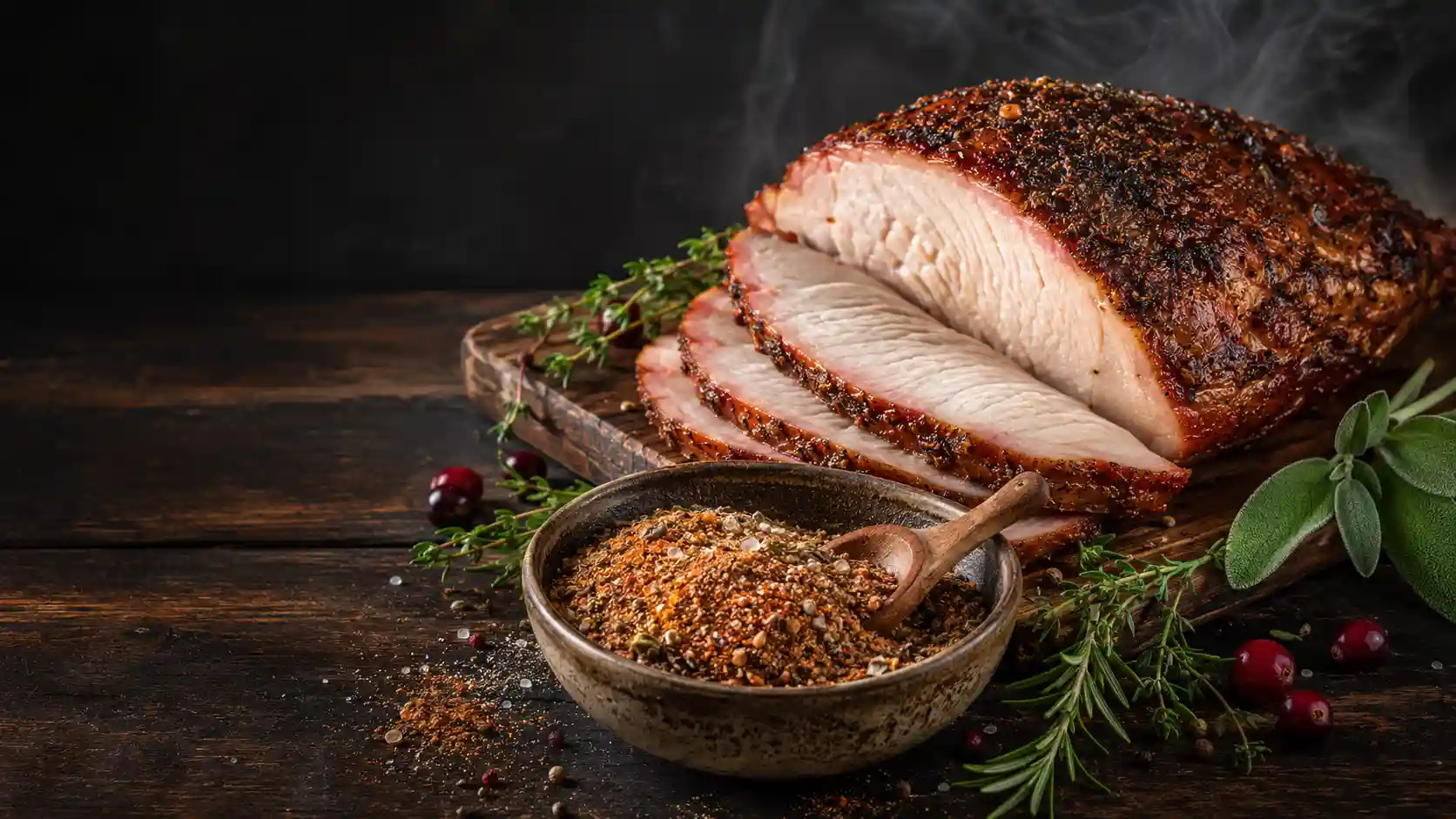
A good Smoked Turkey Rub can turn a plain turkey into a juicy, smoky, flavorful centerpiece. The right blend gives the bird a balanced taste: sweet from brown sugar, smoky from paprika, savory from garlic and onion, and earthy from sage, rosemary, and thyme.
This recipe is made for whole smoked turkey, turkey breast, turkey legs, and even roasted turkey. It works well for Thanksgiving, Christmas, backyard BBQs, tailgates, and weekend smoking projects.
The key is balance. Turkey has a mild flavor, so the rub should add flavor without covering up the meat. This guide explains the exact spice blend, how much rub to use, when to apply it, how to adjust salt, and how to avoid common smoking mistakes.
Quick Answer
Smoked Turkey Rub is a dry seasoning blend made with brown sugar, smoked paprika, kosher salt, garlic powder, onion powder, black pepper, cayenne, sage, rosemary, thyme, and mustard powder. For best flavor, apply it under and over the skin 8–24 hours before smoking, then cook turkey to 165°F / 74°C.
Smoked Turkey Rub Recipe Snapshot
| Recipe Detail | Best Guide |
|---|---|
| Prep time | 5 minutes |
| Cook time | No cooking needed |
| Total time | 5 minutes |
| Yield | About ¾ cup rub |
| Best for | 10–14 lb whole turkey |
| Flavor | Smoky, savory, lightly sweet, herby |
| Heat level | Mild to medium |
| Storage | Airtight jar in a cool, dry place |
| Best use | Smoked turkey, turkey breast, chicken, pork, grilled poultry |
What Is Smoked Turkey Rub?
Smoked Turkey Rub is a dry mix of spices, herbs, salt, and sometimes sugar. It is rubbed onto turkey before smoking to build flavor on the skin and meat.
A great turkey rub usually includes:
- Salt for seasoning
- Brown sugar for color and light sweetness
- Smoked paprika for BBQ flavor
- Garlic and onion powder for savory depth
- Black pepper and cayenne for gentle heat
- Sage, rosemary, and thyme for classic turkey flavor
- Mustard powder for a subtle tangy note
In practice, the best rub should taste bold before cooking. Once it meets the turkey, smoke, fat, and heat, the flavor becomes more balanced.
Why This Is the Best Smoked Turkey Rub
This is the Best Smoked Turkey Rub for cooks who want a classic BBQ flavor with holiday herbs. It is not too sweet, not too salty, and not too spicy.
Why does this rub work well on turkey?
Turkey is lean and mild. It needs seasoning that adds flavor without making the meat taste heavy.
This rub works because it layers flavor:
- Brown sugar helps with browning
- Paprika adds color and smoke flavor
- Garlic and onion give a savory base
- Sage, rosemary, and thyme match traditional turkey sides
- Cayenne adds warmth without too much heat
- Mustard powder helps round out the BBQ flavor
Is this rub only for smoked turkey?
No. You can use it on:
- Whole smoked turkey
- Smoked turkey breast
- Turkey legs
- Turkey thighs
- Roasted turkey
- Grilled chicken
- Smoked chicken
- Pork shoulder
- Pork chops
If using it on smaller cuts, use less rub so the salt does not overpower the meat.
Smoked Turkey Rub Ingredients
This recipe makes enough rub for one 10–14 pound turkey.
| Ingredient | Amount | Purpose |
|---|---|---|
| Light brown sugar | 3 tablespoons | Adds light sweetness and color |
| Smoked paprika | 2 tablespoons | Adds smoky BBQ flavor |
| Kosher salt | 2 tablespoons | Seasons the turkey |
| Black pepper | 1 tablespoon | Adds mild heat |
| Garlic powder | 1 tablespoon | Adds savory flavor |
| Onion powder | 1 tablespoon | Adds depth |
| Mustard powder | 1 teaspoon | Adds tang and BBQ balance |
| Dried sage | 2 teaspoons | Adds classic turkey flavor |
| Dried thyme | 2 teaspoons | Adds earthy herb flavor |
| Crushed dried rosemary | 2 teaspoons | Adds piney aroma |
| Celery salt | 1 teaspoon | Adds savory holiday flavor |
| Cayenne pepper | ½ teaspoon | Adds gentle heat |
Should you use kosher salt or table salt?
Use kosher salt if possible. Table salt is finer, so the same volume tastes saltier.
If using table salt, reduce the salt amount by about one-third. You can always add more seasoning later, but you cannot remove excess salt.
Can you use sweet paprika instead of smoked paprika?
Yes. Sweet paprika gives color and mild pepper flavor, but it will not taste as smoky.
For a stronger BBQ flavor, use smoked paprika. For a softer holiday flavor, use half smoked paprika and half sweet paprika.
Should you use fresh herbs?
For a dry rub, dried herbs work best because they store well and spread evenly.
If you want to use fresh herbs, mix them into softened butter instead. Fresh herbs contain moisture and are better for a wet rub or compound butter.
How to Make Smoked Turkey Rub
This rub takes only a few minutes to prepare.
Step 1: Measure the spices
Add all ingredients to a small bowl. Break up any brown sugar clumps with a fork.
Step 2: Mix until even
Stir well until the color looks even. Make sure the salt, sugar, herbs, and spices are fully blended.
Step 3: Taste and adjust
Taste a tiny pinch. It should be savory, smoky, lightly sweet, and a little bold.
If you want more heat, add more cayenne. If you want a stronger BBQ flavor, add more smoked paprika.
Step 4: Store or use
Use the rub right away or transfer it to an airtight jar.
For best flavor, use it within 3–4 months. It may stay safe longer if stored dry, but the aroma becomes weaker over time.
How Much Rub to Use on Turkey
A common mistake is using too little rub on a large bird. Turkey needs more seasoning than chicken because it is bigger and thicker.
| Turkey Size | Rub Amount |
|---|---|
| 6–8 lb turkey breast | 3–4 tablespoons |
| 10–12 lb whole turkey | ½ cup |
| 12–14 lb whole turkey | ½–¾ cup |
| 15–18 lb whole turkey | ¾–1 cup |
| Turkey legs or wings | 1–2 tablespoons per 2 lb |
For most whole turkeys, season under the skin and over the skin. This gives flavor to the meat, not just the outside.
How to Apply Smoked Turkey Rub
Good application matters as much as the recipe.
Should you rub turkey under the skin?
Yes. For the best flavor, gently loosen the skin over the breast and thighs. Rub some seasoning directly on the meat.
Be careful not to tear the skin. The skin helps protect the meat while smoking.
Should you use oil or butter?
Yes. A thin layer of oil or softened butter helps the rub stick.
Use:
- Olive oil for simple prep
- Avocado oil for high-heat cooking
- Softened butter for richer flavor
- Mayo for a thin binder that helps browning
Use only a light coating. Too much fat can make the seasoning slide off.
When should you apply the rub?
For best flavor, apply the rub 8–24 hours before smoking. This gives the salt time to season the meat.
If you are short on time, apply it at least 30–60 minutes before cooking.
Dry Rub vs Wet Rub vs Dry Brine
These methods sound similar, but they are not exactly the same.
| Method | What It Is | Best For |
|---|---|---|
| Dry rub | Spices, herbs, salt, and sugar | Flavorful skin and BBQ crust |
| Wet rub | Dry rub mixed with oil or butter | Better sticking and richer skin |
| Dry brine | Salt-heavy seasoning applied ahead | Juicier, better-seasoned meat |
| Wet brine | Turkey soaked in saltwater | Moisture and mild seasoning |
Is this recipe a dry rub or dry brine?
This recipe is a dry rub. It contains salt, so it also seasons the meat if applied early.
If you want to use it like a dry brine, apply it 12–24 hours ahead and leave the turkey uncovered in the fridge.
Should you brine before using this rub?
You can, but adjust the salt.
Smoking Tips for Better Flavor
A great rub works best with smart smoking choices.
What wood is best for smoked turkey?
Turkey works well with mild to medium woods.
| Wood | Flavor |
|---|---|
| Apple | Mild, sweet, beginner-friendly |
| Cherry | Mild, fruity, beautiful color |
| Pecan | Nutty and balanced |
| Hickory | Stronger classic BBQ flavor |
| Maple | Mild and slightly sweet |
Avoid using too much strong wood. Poultry can turn bitter if it is over-smoked.
What temperature should smoked turkey reach?
Cook turkey to a safe internal temperature of 165°F / 74°C. Check the thickest part of the breast and thigh with a food thermometer. FoodSafety.gov lists 165°F / 74°C as the safe minimum internal temperature for chicken, turkey, and other poultry.
Should smoked turkey look pink?
Smoked turkey may have a pink smoke ring even when fully cooked. Use a thermometer instead of color to judge safety.
Common Mistakes to Avoid
Small mistakes can make smoked turkey dry, salty, or bitter.
| Mistake | Why It Hurts the Turkey | Better Choice |
|---|---|---|
| Using too much salt | Makes turkey harsh | Reduce salt if brined |
| Applying rub only on skin | Meat tastes bland | Rub under the skin too |
| Using too much sugar | Can darken too fast | Keep sugar balanced |
| Over-smoking | Creates bitter flavor | Use mild wood and clean smoke |
| Smoking a huge turkey too low | Can cook unevenly | Use smaller birds or spatchcock |
| Skipping thermometer | Causes guessing | Cook to 165°F / 74°C |
| Carving right away | Juices run out | Rest before carving |
| Using old spices | Weak flavor | Use fresh spices |
Smoked Turkey Rub Variations
Use the base recipe as your starting point. Then adjust it for your menu.
Sweet BBQ Turkey Rub
Add:
- 1 extra tablespoon brown sugar
- 1 teaspoon chili powder
- ½ teaspoon cinnamon
This version works well with apple wood, maple glaze, and classic holiday sides.
Spicy Smoked Turkey Rub
Add:
- 1 teaspoon chipotle powder
- 1 teaspoon cayenne
- 1 teaspoon chili powder
This version is great for turkey legs, tailgates, and sandwiches.
Herb Turkey Rub
Reduce smoked paprika to 1 tablespoon and add:
- 1 teaspoon parsley
- 1 teaspoon oregano
- 1 teaspoon lemon pepper
This is a good option if you want a more traditional Thanksgiving flavor.
Cajun-Style Turkey Rub
Add:
- 1 tablespoon Cajun seasoning
- 1 teaspoon paprika
- ½ teaspoon cayenne
Use less salt if your Cajun seasoning already contains salt.
Best Ways to Use This Rub
This rub is flexible enough for more than one holiday meal.
Whole smoked turkey
Use the full batch for a 10–14 lb bird. Apply under the skin, over the skin, and inside the cavity.
Smoked turkey breast
Use 3–4 tablespoons for a bone-in turkey breast. Turkey breast is lean, so do not overcook it.
Turkey legs and wings
Use a heavier coating for turkey legs and wings because they can handle bolder seasoning.
Roasted turkey
This rub also works in the oven. Use it the same way, then roast until the turkey reaches a safe internal temperature.
Chicken and pork
Use a lighter hand on chicken pieces and pork chops. Smaller cuts need less salt and sugar.
Storage and Make-Ahead Tips
A homemade rub is easy to prep ahead.
How do you store smoked turkey rub?
Store it in a clean, dry, airtight jar. Keep it away from heat, light, and moisture.
Do not dip wet hands or raw-turkey-covered utensils into the rub jar. This can contaminate the whole batch.
Can you double the recipe?
Yes. Double or triple the recipe for holiday cooking, smoked chicken, or future BBQ meals.
Label the jar with the date so you know when it was made.
How long does smoked turkey rub last?
For the best aroma, use it within 3–4 months. The rub may not spoil quickly if kept dry, but dried herbs and spices lose strength over time.
Food Safety Notes for Smoked Turkey
Rub adds flavor, but safe cooking matters most.
### What temperature is turkey safe to eat?
Turkey is safe when it reaches 165°F / 74°C in the thickest areas. Use a food thermometer to check the breast, thigh, wing area, and stuffing if the bird is stuffed. Official guidance lists poultry at 165°F / 74°C.
### How long can you keep smoked turkey leftovers?
Use refrigerated cooked turkey within 3–4 days. Reheat leftovers to 165°F / 74°C before serving. USDA guidance also recommends using or freezing Thanksgiving leftovers within four days.
### Can you freeze smoked turkey?
Yes. Slice leftover turkey, pack it with a little broth or gravy, and freeze it in airtight containers.
For best quality, use frozen leftovers within 2–3 months.
International Measurement Notes
This recipe is written for USA kitchens, but it works for UK, AU, CA, and Germany readers too.
| USA Term | UK / AU / CA / Germany Note |
|---|---|
| Kosher salt | Use coarse sea salt or reduce fine salt |
| Brown sugar | Light brown soft sugar works well |
| Smoked paprika | Use smoked paprika, pimentón, or geräuchertes Paprikapulver |
| Garlic powder | Garlic granules also work |
| Onion powder | Onion granules also work |
| Cayenne | Use chili powder carefully, as blends vary |
| 165°F | 74°C |
If using fine salt, start with less. Fine salt packs more tightly into a spoon.
What to Serve With Smoked Turkey
This rub pairs well with classic holiday and BBQ sides.
Best holiday sides
- Cornbread dressing
- Mashed potatoes
- Turkey gravy
- Green bean casserole
- Cranberry sauce
- Roasted carrots
- Sweet potato casserole
Best BBQ sides
- Mac and cheese
- Coleslaw
- Baked beans
- Cornbread
- Potato salad
- Grilled corn
- Pickles
Best sauces
- Turkey gravy
- Cranberry BBQ sauce
- Apple cider glaze
- Honey mustard
- Carolina-style vinegar sauce
- Maple butter
Use sauce lightly. A good smoked turkey rub should still shine through.
Quick Summary: Key Takeaways
- Smoked Turkey Rub should balance salt, smoke, sweetness, herbs, and heat.
- Use about ½ to ¾ cup rub for a 10–14 lb turkey.
- Apply rub under and over the skin for deeper flavor.
- Season turkey 8–24 hours ahead when possible.
- Reduce salt if your turkey is brined, injected, kosher, or pre-seasoned.
- Cook turkey to 165°F / 74°C for safety.
- Store leftover cooked turkey for 3–4 days in the refrigerator.
FAQs About Smoked Turkey Rub
What is the best rub for smoked turkey?
The best rub for smoked turkey balances salt, brown sugar, smoked paprika, garlic powder, onion powder, black pepper, sage, rosemary, thyme, and mild heat. This gives turkey smoky, savory, sweet, and herby flavor without overpowering the meat.
How long should dry rub sit on turkey before smoking?
For best flavor, let the dry rub sit on the turkey for 8–24 hours in the refrigerator. If you are short on time, season the turkey at least 30–60 minutes before smoking.
Do you put rub under turkey skin?
Yes. Put some rub under the turkey skin, especially over the breast and thighs. This seasons the meat directly and gives better flavor than seasoning only the outside.
Should I oil the turkey before applying rub?
Yes. A light coating of oil or softened butter helps the rub stick. Do not use too much, or the seasoning may slide off the skin.
Can I use this rub on a brined turkey?
Yes, but reduce the salt. If your turkey is wet-brined, dry-brined, kosher, injected, or enhanced with a salt solution, cut the salt in the rub by half or leave it out.
Does brown sugar burn on smoked turkey?
Brown sugar can darken if the heat is too high, but it usually works well at normal smoking temperatures. Keep the sugar balanced and avoid cooking over direct high heat.
What wood is best for smoked turkey?
Apple, cherry, pecan, maple, and mild hickory work well. Apple and cherry are the easiest choices for beginners because they add smoke without making poultry bitter.
Can I make smoked turkey rub ahead of time?
Yes. Mix the rub ahead and store it in an airtight jar in a cool, dry place. For best flavor, use it within 3–4 months.
Can I use this rub for roasted turkey?
Yes. This rub works for roasted turkey too. Apply it the same way, then roast the turkey until it reaches a safe internal temperature of 165°F / 74°C.
How much rub do I need for a 12-pound turkey?
Use about ½ to ¾ cup rub for a 12-pound turkey. Apply it under the skin, over the skin, and lightly inside the cavity.
Conclusion
This Smoked Turkey Rub is a simple way to build deep BBQ flavor without buying a store-bought seasoning blend. The mix of brown sugar, smoked paprika, garlic, onion, sage, rosemary, thyme, mustard powder, and cayenne gives turkey a balanced taste that works for holidays and backyard smoking.
For the best result, apply the rub under the skin and over the skin. Let the turkey rest in the refrigerator for 8–24 hours before smoking. Use mild wood, avoid over-smoking, and always check the internal temperature with a thermometer.
Whether you are making a whole smoked turkey, turkey breast, turkey legs, or roasted turkey, this rub gives you a reliable flavor base. Make one batch for your next holiday meal, then keep extra in your spice cabinet for chicken, pork, and weekend BBQ.