Learn how to make rice paper rolls with crisp vegetables, fresh herbs, vermicelli noodles, and your choice of shrimp, chicken, or tofu. This easy guide covers the best fillings, dipping sauces, rolling techniques, storage tips, and the difference between fresh rice paper rolls and steamed rice rolls.
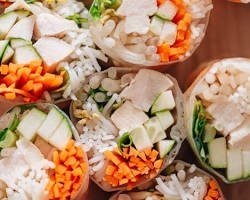
Rice paper rolls are soft, fresh rolls made by briefly softening rice paper wrappers in water and filling them with vegetables, herbs, vermicelli noodles, and protein. Unlike fried spring rolls, fresh rice paper rolls are not deep-fried. They are usually served cold or at room temperature with peanut sauce, hoisin sauce, sweet chili sauce, or Vietnamese-style dipping sauce.
Why You Will Love This Rice Paper Rolls Recipe
This rice paper rolls recipe is loved because it is fresh, customizable, colorful, and easy to prepare. Whether you are making a quick lunch, light dinner, or party appetizer, homemade rice paper rolls are an impressive option that does not require deep-frying.
🥬 Fresh & Colorful
Crisp vegetables, fragrant herbs, noodles, and protein create a refreshing combination of textures and flavors.
🌿 Easy to Customize
Use shrimp, chicken, pork, tofu, avocado, mango, or extra vegetables to create your favorite filling combination.
🥢 Perfect for Dipping
Serve the rolls with peanut sauce, hoisin sauce, sweet chili sauce, or a Vietnamese-style fish sauce dipping sauce.
🎉 Great for Parties
Their bright colors and individual portions make fresh rice paper rolls excellent for appetizer platters and gatherings.
Easy Fresh Rice Paper Rolls Recipe
A flexible Vietnamese-inspired recipe with crisp vegetables, vermicelli noodles, herbs, and your choice of protein.
Soak the wrapper briefly, layer the fillings, fold the sides, and roll gently but firmly. The exact quantity of filling can be adjusted depending on the size of your rice paper wrappers.
Ingredients
- 8 rice paper wrappers
- 2 oz (about 55 g) dry rice vermicelli noodles
- 1 cup thinly sliced lettuce
- 1 small carrot, cut into thin matchsticks
- ½ cucumber, cut into thin strips
- ½ bell pepper, thinly sliced
- ¼ cup fresh mint leaves
- ¼ cup fresh cilantro
- 8–12 cooked shrimp, sliced in half lengthwise, or cooked chicken/tofu
For Serving
- Peanut dipping sauce
- Hoisin sauce
- Sweet chili sauce
- Vietnamese-style fish sauce, if desired
- Lime wedges, optional
For vegetarian or vegan rolls, replace shrimp or chicken with tofu. Always check packaged sauces for animal-derived ingredients when following a vegan diet.
Instructions
Cook the Vermicelli
Prepare the rice vermicelli according to the package directions. Drain thoroughly and rinse with cool water. Set aside.
Prepare the Fillings
Wash and slice the vegetables into thin strips. Prepare the herbs and make sure your cooked protein is cooled and ready to assemble.
Soften One Wrapper
Dip one rice paper wrapper in warm water for approximately 3–5 seconds, then remove it while it is still slightly firm. It will continue softening on the work surface.
Add the Fillings
Place lettuce, vermicelli, vegetables, herbs, and protein near the lower-center portion of the wrapper. Avoid overfilling.
Fold and Roll
Fold the bottom edge over the filling, tuck in both sides, then continue rolling forward. Keep gentle, even tension as you roll.
Serve
Place the finished roll seam-side down and serve with your favorite dipping sauce for rice paper rolls.
Use properly cooked protein and keep perishable fillings refrigerated until assembly. Avoid leaving shrimp, chicken, tofu, or other perishable fillings at room temperature for extended periods. Wash produce thoroughly and use clean utensils and surfaces.
What Are Rice Paper Rolls?
Rice paper rolls are fresh rolls made with thin rice-based wrappers that are softened in water and filled with ingredients such as vegetables, herbs, vermicelli noodles, shrimp, chicken, pork, or tofu. They are commonly associated with Vietnamese cuisine and are often served with a flavorful dipping sauce.
The Vietnamese fresh roll commonly known as Gỏi Cuốn is especially popular for its combination of soft rice paper, fresh herbs, crisp vegetables, noodles, and cooked fillings.
Origin of Vietnamese Rice Paper Rolls
Fresh rice paper rolls are strongly associated with Vietnamese cuisine. Traditional versions can include shrimp, pork, herbs, lettuce, and rice vermicelli, although recipes vary by region, household, and available ingredients.
Why They Are Called Fresh Spring Rolls
The term fresh spring rolls is commonly used in English to distinguish these soft, unfried rolls from crispy fried spring rolls. The wrapper remains soft and the fresh ingredients retain their distinctive colors, textures, and flavors.
Fresh vs. Steamed Rice Paper Rolls
Although both dishes involve rice-based wrappers or sheets, fresh rice paper rolls and steamed rice rolls are prepared differently. Fresh rolls use softened commercial rice paper, while many steamed rice-roll dishes are made by steaming a thin rice batter or rice sheet.
| Feature | Fresh Rice Paper Rolls | Steamed Rice Rolls |
|---|---|---|
| Wrapper | Commercial rice paper softened in water | Usually steamed rice batter or rice sheets |
| Temperature | Cold or room temperature | Usually served warm |
| Texture | Soft, flexible, fresh | Soft, silky, and slightly chewy |
| Typical fillings | Vegetables, herbs, noodles, shrimp, chicken, tofu | Cooked meat, shrimp, mushrooms, tofu, vegetables |
| Preparation | Soak, fill, and roll | Steam the rice sheet, fill, and roll |
Ingredients for Rice Paper Rolls
The ingredients for rice paper rolls are simple, colorful, and easy to customize. A classic combination balances soft noodles, crunchy vegetables, fresh herbs, and protein.
Rice Paper Wrappers
Thin rice paper wrappers are softened briefly in warm water before filling. Choose wrappers that feel sturdy and flexible enough to roll without easily tearing.
Fresh Vegetables & Herbs
Lettuce, carrot, cucumber, bell pepper, mint, cilantro, and Thai basil can add crunch, color, freshness, and fragrance.
Protein
Shrimp, cooked chicken, pork, or tofu can make the rolls more filling. Choose one protein or combine it with extra vegetables.
Vermicelli Noodles
Thin rice vermicelli provides a soft texture and makes the rolls more substantial without overwhelming the fresh vegetables.
Popular Rice Paper Wrapper Brands
Commonly available brands include Three Ladies Rice Paper, Blue Dragon Rice Paper, and Bánh Tráng-style rice paper. Availability varies by country and retailer, so focus on wrappers that soften evenly and are easy to handle.
Kitchen Tools Needed
- Shallow bowl: for warm water used to soften wrappers.
- Cutting board: for preparing vegetables and protein.
- Sharp knife: for cutting thin, roll-friendly pieces.
- Clean rolling surface: a plate, board, or suitable work surface.
- Steamer: needed only when preparing steamed rice-roll dishes.
Best Fillings for Rice Paper Rolls
The best rice paper roll filling ideas combine contrasting textures. Think crisp vegetables, soft noodles, aromatic herbs, and a flavorful protein.
| Filling Style | Good Ingredients | Best Pairing |
|---|---|---|
| Traditional | Shrimp, pork, vermicelli, lettuce, mint, cilantro | Peanut or Vietnamese-style dipping sauce |
| Vegetarian | Tofu, cucumber, carrot, lettuce, avocado, herbs | Peanut or hoisin-style sauce |
| Vegan | Tofu, mushrooms, vegetables, avocado, herbs | Vegan peanut or sweet chili sauce |
| Chicken | Cooked chicken, vermicelli, cucumber, carrot, herbs | Hoisin or peanut sauce |
| Fresh & Fruity | Mango, avocado, cucumber, herbs, lettuce | Sweet chili or lime-forward sauce |
Traditional Vietnamese Fillings
Traditional combinations may include shrimp, pork, rice vermicelli, lettuce, mint, cilantro, and other fresh herbs. The ingredients are layered inside softened rice paper and served with a dipping sauce.
Vegetarian and Vegan Fillings
For a plant-based version, use tofu, avocado, cucumber, carrots, lettuce, bell peppers, mushrooms, and fresh herbs. These ingredients create plenty of flavor and texture without meat.
Protein Fillings
Shrimp, chicken, pork, and tofu are versatile choices. Slice cooked proteins thinly so they fit neatly inside the wrapper without making the roll too bulky.
How to Prepare the Fillings
Cooking Vermicelli Noodles
Prepare the vermicelli noodles according to their package directions. Drain well and rinse with cool water. Excess water can make the rice paper rolls unnecessarily wet.
Preparing Fresh Vegetables
Wash vegetables thoroughly and cut them into thin strips. Long, narrow pieces are generally easier to arrange and roll than large chunks.
Cooking Protein Fillings
Cook shrimp, chicken, pork, or tofu before assembly. Let hot ingredients cool enough to handle safely before placing them inside the delicate rice paper wrappers.
Keep cooked seafood, poultry, pork, tofu, noodles, and prepared vegetables refrigerated until needed. Use separate clean utensils and surfaces for raw and ready-to-eat ingredients, especially when preparing shrimp or chicken.
How to Make Rice Paper Rolls Step-by-Step
Soften the Rice Paper Wrapper
Fill a shallow bowl with warm water. Dip one wrapper for approximately 3–5 seconds. Remove it while it is still slightly firm; it will continue to soften as you work.
Arrange the Fillings
Place lettuce, herbs, vermicelli, vegetables, and protein toward the lower-middle portion of the wrapper. Keep the pile compact.
Fold the Bottom
Bring the bottom edge of the rice paper up and over the filling. Hold the filling gently in place as you begin rolling.
Fold the Sides
Fold both side edges toward the center. This helps contain the filling and creates the familiar spring-roll shape.
Roll Forward
Continue rolling forward with gentle, even pressure. The goal is a secure roll without stretching or tearing the wrapper.
Serve Immediately
Place the roll seam-side down and serve with your preferred dipping sauce.
How to Roll Rice Paper Without Tearing
Do not oversoak the rice paper. A brief 3–5 second dip is often enough. The wrapper should still feel slightly firm when it leaves the water because it will soften further on the work surface.
1. Use Brief Soaking
Over-soaked wrappers become extremely soft, sticky, and difficult to handle.
2. Avoid Overfilling
Too much vermicelli, protein, or vegetables can stretch and tear the wrapper.
3. Keep the Work Surface Suitable
Use a clean surface that allows the softened wrapper to move slightly as you roll.
4. Roll Firmly, Not Aggressively
Use enough pressure to hold the fillings together without pulling sharply on the rice paper.
How to Make Steamed Rice Rolls
Steamed rice rolls are different from the fresh Vietnamese-style rolls described in the main recipe. Many steamed rice roll dishes use a thin rice batter or rice sheet that is steamed before being filled.
Preparing the Filling
Common fillings include minced pork, shrimp, mushrooms, tofu, and finely chopped vegetables. Cook and season the filling before assembling.
Steaming the Rice Sheets
Steam the thin rice batter or rice sheets until tender. Place the cooked filling onto the sheet and carefully roll it while warm.
Serving
Steamed rice rolls are generally served warm with savory sauces. Soy-based sauces, garlic oil, or other complementary condiments can work well depending on the style of dish.
Best Dipping Sauces for Rice Paper Rolls
A good dipping sauce for rice paper rolls brings together the mild wrapper, fresh vegetables, herbs, noodles, and protein.
🥜 Classic Peanut Sauce
Creamy peanut butter combined with hoisin sauce, garlic, lime juice, and enough water or coconut milk to reach a dipping consistency.
🌶️ Vietnamese-Style Fish Sauce
A bright combination of fish sauce, lime juice, sugar, garlic, and chili. The exact balance can be adjusted to taste.
🌶️ Sweet Chili Sauce
A convenient choice with a sweet, tangy, and mildly spicy flavor. It works particularly well for vegetable and tofu rolls.
🥢 Hoisin Sauce
Thick, sweet, savory, and slightly smoky, hoisin sauce is an easy pairing for chicken, tofu, and vegetable-filled rolls.
Traditional fish sauce contains seafood. For vegan rice paper rolls, choose a vegan fish-sauce alternative or another plant-based dipping sauce. Also check packaged hoisin and chili sauces if you need to avoid specific allergens or animal ingredients.
Rice Paper Rolls vs. Spring Rolls
The terms can be confusing because different cuisines use “spring roll” to describe different dishes. The key distinction is the wrapper, cooking method, and final texture.
| Feature | Fresh Rice Paper Rolls | Fried Spring Rolls |
|---|---|---|
| Wrapper | Softened rice paper | Depends on the style; often a dedicated spring-roll wrapper |
| Cooking | Not fried after assembly | Typically fried |
| Texture | Soft and delicate | Crispy and crunchy |
| Serving | Usually cold or room temperature | Usually hot |
| Typical fillings | Fresh vegetables, herbs, noodles, cooked protein | Cooked vegetables, meat, seafood, or other fillings depending on style |
Are Rice Paper Rolls Healthy?
Rice paper rolls can be a light and nutritious meal or appetizer when they are filled generously with vegetables, herbs, and suitable protein. Because fresh rolls are not deep-fried, they can be lighter than many fried appetizers.
Calories in Rice Paper Rolls
Calories vary substantially depending on wrapper size, noodles, protein, avocado, and dipping sauce. A small fresh roll containing vegetables, noodles, and shrimp may fall around the 90–120 calorie range, but this is only a general estimate rather than a fixed nutritional value.
Nutritional Benefits
- Vegetables: contribute fiber and a range of vitamins and minerals.
- Fresh herbs: add flavor without requiring heavy sauces.
- Protein: shrimp, chicken, and tofu can make the rolls more filling.
- Rice paper: provides a light wrapper compared with many fried dough-based appetizers.
Increase the amount of lettuce, cucumber, carrots, and herbs, use a moderate amount of noodles, choose lean protein, and control higher-calorie dipping sauces such as peanut sauce.
Pro Tips for Perfect Rice Paper Rolls
Don’t Oversoak
Remove wrappers from the water while they still have some firmness. They soften as you assemble the roll.
Balance the Fillings
Use enough ingredients for a satisfying roll without creating a bulky center.
Slice Ingredients Thinly
Thin, evenly sized vegetables and protein are easier to arrange and produce neater rolls.
Serve Fresh
Freshly assembled rolls generally have the best texture and are less likely to become sticky or dry.
Creative Rice Paper Roll Variations
Lemongrass Chicken Rice Paper Rolls
Add sliced cooked lemongrass chicken with vermicelli, cucumber, carrots, lettuce, and fresh herbs for a fragrant variation.
Vegetarian Rice Paper Rolls
Combine tofu, cucumber, carrots, lettuce, avocado, and herbs for a colorful meat-free option.
Vegan Rice Paper Rolls
Use tofu, mushrooms, fresh vegetables, avocado, and plant-based sauces. Check sauces carefully if you are following a strict vegan diet.
Mango Avocado Rice Paper Rolls
Add thin slices of mango and avocado for a sweet, creamy contrast against crunchy vegetables and fresh herbs.
Common Mistakes When Making Rice Paper Rolls
| Common Mistake | Why It Happens | Better Approach |
|---|---|---|
| Oversoaking wrappers | The wrapper becomes overly soft and sticky. | Use a brief 3–5 second soak and let it soften on the surface. |
| Overfilling | Too many ingredients stretch the wrapper. | Use a compact, moderate amount of filling. |
| Large vegetable pieces | Bulky pieces make folding difficult. | Cut vegetables into thin strips. |
| Rolling too loosely | Fillings move or fall out. | Apply gentle, even tension while rolling. |
| Preparing too far ahead | Wrappers can dry, harden, or stick together. | Assemble as close to serving time as practical. |
How to Store Rice Paper Rolls
Because fresh rice paper rolls contain delicate wrappers and perishable ingredients, proper storage is important.
Storing in the Refrigerator
Place prepared rolls in an airtight container and keep them refrigerated. Separate individual rolls so they do not stick together. A suitable slightly damp covering can help reduce drying, but avoid making the wrappers excessively wet.
Meal Prep Tips
- Wash and cut vegetables ahead of time.
- Prepare vermicelli and cooked protein in advance.
- Store fillings separately whenever possible.
- Roll the rice paper close to serving time for the best texture.
How Long Do Rice Paper Rolls Last?
For best quality, enjoy fresh rice paper rolls the same day. If refrigerated promptly and stored properly, they are generally best within about 24 hours, although the wrappers may gradually become drier, stickier, or firmer.
Refrigerate rolls containing shrimp, chicken, pork, tofu, or other perishable ingredients promptly. Do not rely on room-temperature storage for keeping perishable fillings safe.
Can Rice Paper Rolls Be Frozen?
Fresh rice paper rolls are generally not ideal for freezing. Freezing and thawing can negatively affect the delicate wrapper and make vegetables watery or the wrapper tough and rubbery.
Fresh Rolls
Freezing is generally not recommended because the wrapper and fresh vegetables can lose their desirable texture.
Cooked or Steamed Rolls
Some cooked or steamed rice-roll dishes may freeze better, depending on the specific recipe and wrapper.
For the freshest texture, prepare fresh rice paper rolls close to the time you plan to eat them rather than freezing them.
Rice Paper Rolls Serving Ideas
Party Appetizer Platter
Arrange colorful rolls on a large platter and provide several dipping sauces so guests can choose their favorite.
Healthy Lunch
Pair several rolls containing vegetables and protein with a flavorful dipping sauce for a refreshing lunch.
Picnic Food
Their individual size makes rice paper rolls convenient for picnics and casual outdoor meals when kept properly chilled.
Build-Your-Own Roll Party
Set out softened wrappers, vegetables, herbs, noodles, protein, and sauces so guests can assemble their own combinations.
FAQs About Rice Paper Rolls
What are rice paper rolls made of?
Rice paper rolls use thin rice paper wrappers filled with ingredients such as vermicelli noodles, lettuce, herbs, carrots, cucumber, shrimp, chicken, pork, or tofu. They are commonly served with dipping sauce.
How do you keep rice paper rolls from sticking?
Keep finished rolls separated rather than stacking them directly on top of one another. For short-term storage, a suitable slightly damp covering can help prevent drying while separation helps reduce sticking.
What sauce goes with rice paper rolls?
Popular options include peanut sauce, hoisin sauce, sweet chili sauce, and Vietnamese-style fish sauce. Choose a vegan alternative when necessary.
Can you make rice paper rolls ahead of time?
Yes. They can be assembled a few hours ahead and refrigerated properly, but the best texture usually comes from eating fresh rice paper rolls relatively soon after assembly.
Are rice paper rolls healthy?
They can be a nutritious option because fresh versions often contain vegetables, herbs, and lean protein and are not deep-fried. However, total calories and nutrition depend on the fillings and dipping sauces.
How long should I soak rice paper wrappers?
A brief soak of approximately 3–5 seconds in warm water is a useful starting point. The wrapper should not become completely floppy in the water because it continues softening after removal.
Why does my rice paper tear when I roll it?
Common causes include oversoaking the wrapper, overfilling, using bulky ingredients, or pulling too hard while rolling. Use moderate fillings and gentle, even pressure.
Can I make vegan rice paper rolls?
Absolutely. Use tofu, mushrooms, avocado, carrots, cucumber, lettuce, herbs, and other vegetables. Pair them with plant-based dipping sauces.
Final Thoughts
Rice paper rolls are a simple way to turn fresh vegetables, herbs, vermicelli noodles, and protein into a colorful, satisfying meal or appetizer. The most important technique is learning how to soften the wrapper without making it too fragile.
Once you understand the basic method, the possibilities are almost endless. Make classic Vietnamese-inspired rice paper rolls with shrimp, try chicken or tofu, or create a modern combination with mango and avocado.
Serve your homemade rolls with peanut sauce, hoisin, sweet chili sauce, or another favorite dipping sauce. With a little practice, you’ll quickly master how to make rice paper rolls that are neat, flavorful, and perfect for everyday meals or entertaining.
Briefly soak + don’t overfill + roll gently but firmly + serve fresh. Those four steps make the biggest difference when you’re learning to make rice paper rolls at home.
Rice Paper Rolls Recipe: How to Make Fresh Vietnamese Spring Rolls at Home
Learn how to make rice paper rolls with crisp vegetables, fresh herbs, vermicelli noodles, and your choice of shrimp, chicken, or tofu. This easy guide covers the best fillings, dipping sauces, rolling techniques, storage tips, and the difference between fresh rice paper rolls and steamed rice rolls.
Rice paper rolls are soft, fresh rolls made by briefly softening rice paper wrappers in water and filling them with vegetables, herbs, vermicelli noodles, and protein. Unlike fried spring rolls, fresh rice paper rolls are not deep-fried. They are usually served cold or at room temperature with peanut sauce, hoisin sauce, sweet chili sauce, or Vietnamese-style dipping sauce.
Why You Will Love This Rice Paper Rolls Recipe
This rice paper rolls recipe is loved because it is fresh, customizable, colorful, and easy to prepare. Whether you are making a quick lunch, light dinner, or party appetizer, homemade rice paper rolls are an impressive option that does not require deep-frying.
🥬 Fresh & Colorful
Crisp vegetables, fragrant herbs, noodles, and protein create a refreshing combination of textures and flavors.
🌿 Easy to Customize
Use shrimp, chicken, pork, tofu, avocado, mango, or extra vegetables to create your favorite filling combination.
🥢 Perfect for Dipping
Serve the rolls with peanut sauce, hoisin sauce, sweet chili sauce, or a Vietnamese-style fish sauce dipping sauce.
🎉 Great for Parties
Their bright colors and individual portions make fresh rice paper rolls excellent for appetizer platters and gatherings.
Easy Fresh Rice Paper Rolls Recipe
A flexible Vietnamese-inspired recipe with crisp vegetables, vermicelli noodles, herbs, and your choice of protein.
Soak the wrapper briefly, layer the fillings, fold the sides, and roll gently but firmly. The exact quantity of filling can be adjusted depending on the size of your rice paper wrappers.
Ingredients
- 8 rice paper wrappers
- 2 oz (about 55 g) dry rice vermicelli noodles
- 1 cup thinly sliced lettuce
- 1 small carrot, cut into thin matchsticks
- ½ cucumber, cut into thin strips
- ½ bell pepper, thinly sliced
- ¼ cup fresh mint leaves
- ¼ cup fresh cilantro
- 8–12 cooked shrimp, sliced in half lengthwise, or cooked chicken/tofu
For Serving
- Peanut dipping sauce
- Hoisin sauce
- Sweet chili sauce
- Vietnamese-style fish sauce, if desired
- Lime wedges, optional
For vegetarian or vegan rolls, replace shrimp or chicken with tofu. Always check packaged sauces for animal-derived ingredients when following a vegan diet.
Instructions
Cook the Vermicelli
Prepare the rice vermicelli according to the package directions. Drain thoroughly and rinse with cool water. Set aside.
Prepare the Fillings
Wash and slice the vegetables into thin strips. Prepare the herbs and make sure your cooked protein is cooled and ready to assemble.
Soften One Wrapper
Dip one rice paper wrapper in warm water for approximately 3–5 seconds, then remove it while it is still slightly firm. It will continue softening on the work surface.
Add the Fillings
Place lettuce, vermicelli, vegetables, herbs, and protein near the lower-center portion of the wrapper. Avoid overfilling.
Fold and Roll
Fold the bottom edge over the filling, tuck in both sides, then continue rolling forward. Keep gentle, even tension as you roll.
Serve
Place the finished roll seam-side down and serve with your favorite dipping sauce for rice paper rolls.
Use properly cooked protein and keep perishable fillings refrigerated until assembly. Avoid leaving shrimp, chicken, tofu, or other perishable fillings at room temperature for extended periods. Wash produce thoroughly and use clean utensils and surfaces.
What Are Rice Paper Rolls?
Rice paper rolls are fresh rolls made with thin rice-based wrappers that are softened in water and filled with ingredients such as vegetables, herbs, vermicelli noodles, shrimp, chicken, pork, or tofu. They are commonly associated with Vietnamese cuisine and are often served with a flavorful dipping sauce.
The Vietnamese fresh roll commonly known as Gỏi Cuốn is especially popular for its combination of soft rice paper, fresh herbs, crisp vegetables, noodles, and cooked fillings.
Origin of Vietnamese Rice Paper Rolls
Fresh rice paper rolls are strongly associated with Vietnamese cuisine. Traditional versions can include shrimp, pork, herbs, lettuce, and rice vermicelli, although recipes vary by region, household, and available ingredients.
Why They Are Called Fresh Spring Rolls
The term fresh spring rolls is commonly used in English to distinguish these soft, unfried rolls from crispy fried spring rolls. The wrapper remains soft and the fresh ingredients retain their distinctive colors, textures, and flavors.
Fresh vs. Steamed Rice Paper Rolls
Although both dishes involve rice-based wrappers or sheets, fresh rice paper rolls and steamed rice rolls are prepared differently. Fresh rolls use softened commercial rice paper, while many steamed rice-roll dishes are made by steaming a thin rice batter or rice sheet.
| Feature | Fresh Rice Paper Rolls | Steamed Rice Rolls |
|---|---|---|
| Wrapper | Commercial rice paper softened in water | Usually steamed rice batter or rice sheets |
| Temperature | Cold or room temperature | Usually served warm |
| Texture | Soft, flexible, fresh | Soft, silky, and slightly chewy |
| Typical fillings | Vegetables, herbs, noodles, shrimp, chicken, tofu | Cooked meat, shrimp, mushrooms, tofu, vegetables |
| Preparation | Soak, fill, and roll | Steam the rice sheet, fill, and roll |
Ingredients for Rice Paper Rolls
The ingredients for rice paper rolls are simple, colorful, and easy to customize. A classic combination balances soft noodles, crunchy vegetables, fresh herbs, and protein.
Rice Paper Wrappers
Thin rice paper wrappers are softened briefly in warm water before filling. Choose wrappers that feel sturdy and flexible enough to roll without easily tearing.
Fresh Vegetables & Herbs
Lettuce, carrot, cucumber, bell pepper, mint, cilantro, and Thai basil can add crunch, color, freshness, and fragrance.
Protein
Shrimp, cooked chicken, pork, or tofu can make the rolls more filling. Choose one protein or combine it with extra vegetables.
Vermicelli Noodles
Thin rice vermicelli provides a soft texture and makes the rolls more substantial without overwhelming the fresh vegetables.
Popular Rice Paper Wrapper Brands
Commonly available brands include Three Ladies Rice Paper, Blue Dragon Rice Paper, and Bánh Tráng-style rice paper. Availability varies by country and retailer, so focus on wrappers that soften evenly and are easy to handle.
Kitchen Tools Needed
- Shallow bowl: for warm water used to soften wrappers.
- Cutting board: for preparing vegetables and protein.
- Sharp knife: for cutting thin, roll-friendly pieces.
- Clean rolling surface: a plate, board, or suitable work surface.
- Steamer: needed only when preparing steamed rice-roll dishes.
Best Fillings for Rice Paper Rolls
The best rice paper roll filling ideas combine contrasting textures. Think crisp vegetables, soft noodles, aromatic herbs, and a flavorful protein.
| Filling Style | Good Ingredients | Best Pairing |
|---|---|---|
| Traditional | Shrimp, pork, vermicelli, lettuce, mint, cilantro | Peanut or Vietnamese-style dipping sauce |
| Vegetarian | Tofu, cucumber, carrot, lettuce, avocado, herbs | Peanut or hoisin-style sauce |
| Vegan | Tofu, mushrooms, vegetables, avocado, herbs | Vegan peanut or sweet chili sauce |
| Chicken | Cooked chicken, vermicelli, cucumber, carrot, herbs | Hoisin or peanut sauce |
| Fresh & Fruity | Mango, avocado, cucumber, herbs, lettuce | Sweet chili or lime-forward sauce |
Traditional Vietnamese Fillings
Traditional combinations may include shrimp, pork, rice vermicelli, lettuce, mint, cilantro, and other fresh herbs. The ingredients are layered inside softened rice paper and served with a dipping sauce.
Vegetarian and Vegan Fillings
For a plant-based version, use tofu, avocado, cucumber, carrots, lettuce, bell peppers, mushrooms, and fresh herbs. These ingredients create plenty of flavor and texture without meat.
Protein Fillings
Shrimp, chicken, pork, and tofu are versatile choices. Slice cooked proteins thinly so they fit neatly inside the wrapper without making the roll too bulky.
How to Prepare the Fillings
Cooking Vermicelli Noodles
Prepare the vermicelli noodles according to their package directions. Drain well and rinse with cool water. Excess water can make the rice paper rolls unnecessarily wet.
Preparing Fresh Vegetables
Wash vegetables thoroughly and cut them into thin strips. Long, narrow pieces are generally easier to arrange and roll than large chunks.
Cooking Protein Fillings
Cook shrimp, chicken, pork, or tofu before assembly. Let hot ingredients cool enough to handle safely before placing them inside the delicate rice paper wrappers.
Keep cooked seafood, poultry, pork, tofu, noodles, and prepared vegetables refrigerated until needed. Use separate clean utensils and surfaces for raw and ready-to-eat ingredients, especially when preparing shrimp or chicken.
How to Make Rice Paper Rolls Step-by-Step
Soften the Rice Paper Wrapper
Fill a shallow bowl with warm water. Dip one wrapper for approximately 3–5 seconds. Remove it while it is still slightly firm; it will continue to soften as you work.
Arrange the Fillings
Place lettuce, herbs, vermicelli, vegetables, and protein toward the lower-middle portion of the wrapper. Keep the pile compact.
Fold the Bottom
Bring the bottom edge of the rice paper up and over the filling. Hold the filling gently in place as you begin rolling.
Fold the Sides
Fold both side edges toward the center. This helps contain the filling and creates the familiar spring-roll shape.
Roll Forward
Continue rolling forward with gentle, even pressure. The goal is a secure roll without stretching or tearing the wrapper.
Serve Immediately
Place the roll seam-side down and serve with your preferred dipping sauce.
How to Roll Rice Paper Without Tearing
Do not oversoak the rice paper. A brief 3–5 second dip is often enough. The wrapper should still feel slightly firm when it leaves the water because it will soften further on the work surface.
1. Use Brief Soaking
Over-soaked wrappers become extremely soft, sticky, and difficult to handle.
2. Avoid Overfilling
Too much vermicelli, protein, or vegetables can stretch and tear the wrapper.
3. Keep the Work Surface Suitable
Use a clean surface that allows the softened wrapper to move slightly as you roll.
4. Roll Firmly, Not Aggressively
Use enough pressure to hold the fillings together without pulling sharply on the rice paper.
How to Make Steamed Rice Rolls
Steamed rice rolls are different from the fresh Vietnamese-style rolls described in the main recipe. Many steamed rice roll dishes use a thin rice batter or rice sheet that is steamed before being filled.
Preparing the Filling
Common fillings include minced pork, shrimp, mushrooms, tofu, and finely chopped vegetables. Cook and season the filling before assembling.
Steaming the Rice Sheets
Steam the thin rice batter or rice sheets until tender. Place the cooked filling onto the sheet and carefully roll it while warm.
Serving
Steamed rice rolls are generally served warm with savory sauces. Soy-based sauces, garlic oil, or other complementary condiments can work well depending on the style of dish.
Best Dipping Sauces for Rice Paper Rolls
A good dipping sauce for rice paper rolls brings together the mild wrapper, fresh vegetables, herbs, noodles, and protein.
🥜 Classic Peanut Sauce
Creamy peanut butter combined with hoisin sauce, garlic, lime juice, and enough water or coconut milk to reach a dipping consistency.
🌶️ Vietnamese-Style Fish Sauce
A bright combination of fish sauce, lime juice, sugar, garlic, and chili. The exact balance can be adjusted to taste.
🌶️ Sweet Chili Sauce
A convenient choice with a sweet, tangy, and mildly spicy flavor. It works particularly well for vegetable and tofu rolls.
🥢 Hoisin Sauce
Thick, sweet, savory, and slightly smoky, hoisin sauce is an easy pairing for chicken, tofu, and vegetable-filled rolls.
Traditional fish sauce contains seafood. For vegan rice paper rolls, choose a vegan fish-sauce alternative or another plant-based dipping sauce. Also check packaged hoisin and chili sauces if you need to avoid specific allergens or animal ingredients.
Rice Paper Rolls vs. Spring Rolls
The terms can be confusing because different cuisines use “spring roll” to describe different dishes. The key distinction is the wrapper, cooking method, and final texture.
| Feature | Fresh Rice Paper Rolls | Fried Spring Rolls |
|---|---|---|
| Wrapper | Softened rice paper | Depends on the style; often a dedicated spring-roll wrapper |
| Cooking | Not fried after assembly | Typically fried |
| Texture | Soft and delicate | Crispy and crunchy |
| Serving | Usually cold or room temperature | Usually hot |
| Typical fillings | Fresh vegetables, herbs, noodles, cooked protein | Cooked vegetables, meat, seafood, or other fillings depending on style |
Are Rice Paper Rolls Healthy?
Rice paper rolls can be a light and nutritious meal or appetizer when they are filled generously with vegetables, herbs, and suitable protein. Because fresh rolls are not deep-fried, they can be lighter than many fried appetizers.
Calories in Rice Paper Rolls
Calories vary substantially depending on wrapper size, noodles, protein, avocado, and dipping sauce. A small fresh roll containing vegetables, noodles, and shrimp may fall around the 90–120 calorie range, but this is only a general estimate rather than a fixed nutritional value.
Nutritional Benefits
- Vegetables: contribute fiber and a range of vitamins and minerals.
- Fresh herbs: add flavor without requiring heavy sauces.
- Protein: shrimp, chicken, and tofu can make the rolls more filling.
- Rice paper: provides a light wrapper compared with many fried dough-based appetizers.
Increase the amount of lettuce, cucumber, carrots, and herbs, use a moderate amount of noodles, choose lean protein, and control higher-calorie dipping sauces such as peanut sauce.
Pro Tips for Perfect Rice Paper Rolls
Don’t Oversoak
Remove wrappers from the water while they still have some firmness. They soften as you assemble the roll.
Balance the Fillings
Use enough ingredients for a satisfying roll without creating a bulky center.
Slice Ingredients Thinly
Thin, evenly sized vegetables and protein are easier to arrange and produce neater rolls.
Serve Fresh
Freshly assembled rolls generally have the best texture and are less likely to become sticky or dry.
Creative Rice Paper Roll Variations
Lemongrass Chicken Rice Paper Rolls
Add sliced cooked lemongrass chicken with vermicelli, cucumber, carrots, lettuce, and fresh herbs for a fragrant variation.
Vegetarian Rice Paper Rolls
Combine tofu, cucumber, carrots, lettuce, avocado, and herbs for a colorful meat-free option.
Vegan Rice Paper Rolls
Use tofu, mushrooms, fresh vegetables, avocado, and plant-based sauces. Check sauces carefully if you are following a strict vegan diet.
Mango Avocado Rice Paper Rolls
Add thin slices of mango and avocado for a sweet, creamy contrast against crunchy vegetables and fresh herbs.
Common Mistakes When Making Rice Paper Rolls
| Common Mistake | Why It Happens | Better Approach |
|---|---|---|
| Oversoaking wrappers | The wrapper becomes overly soft and sticky. | Use a brief 3–5 second soak and let it soften on the surface. |
| Overfilling | Too many ingredients stretch the wrapper. | Use a compact, moderate amount of filling. |
| Large vegetable pieces | Bulky pieces make folding difficult. | Cut vegetables into thin strips. |
| Rolling too loosely | Fillings move or fall out. | Apply gentle, even tension while rolling. |
| Preparing too far ahead | Wrappers can dry, harden, or stick together. | Assemble as close to serving time as practical. |
How to Store Rice Paper Rolls
Because fresh rice paper rolls contain delicate wrappers and perishable ingredients, proper storage is important.
Storing in the Refrigerator
Place prepared rolls in an airtight container and keep them refrigerated. Separate individual rolls so they do not stick together. A suitable slightly damp covering can help reduce drying, but avoid making the wrappers excessively wet.
Meal Prep Tips
- Wash and cut vegetables ahead of time.
- Prepare vermicelli and cooked protein in advance.
- Store fillings separately whenever possible.
- Roll the rice paper close to serving time for the best texture.
How Long Do Rice Paper Rolls Last?
For best quality, enjoy fresh rice paper rolls the same day. If refrigerated promptly and stored properly, they are generally best within about 24 hours, although the wrappers may gradually become drier, stickier, or firmer.
Refrigerate rolls containing shrimp, chicken, pork, tofu, or other perishable ingredients promptly. Do not rely on room-temperature storage for keeping perishable fillings safe.
Can Rice Paper Rolls Be Frozen?
Fresh rice paper rolls are generally not ideal for freezing. Freezing and thawing can negatively affect the delicate wrapper and make vegetables watery or the wrapper tough and rubbery.
Fresh Rolls
Freezing is generally not recommended because the wrapper and fresh vegetables can lose their desirable texture.
Cooked or Steamed Rolls
Some cooked or steamed rice-roll dishes may freeze better, depending on the specific recipe and wrapper.
For the freshest texture, prepare fresh rice paper rolls close to the time you plan to eat them rather than freezing them.
Rice Paper Rolls Serving Ideas
Party Appetizer Platter
Arrange colorful rolls on a large platter and provide several dipping sauces so guests can choose their favorite.
Healthy Lunch
Pair several rolls containing vegetables and protein with a flavorful dipping sauce for a refreshing lunch.
Picnic Food
Their individual size makes rice paper rolls convenient for picnics and casual outdoor meals when kept properly chilled.
Build-Your-Own Roll Party
Set out softened wrappers, vegetables, herbs, noodles, protein, and sauces so guests can assemble their own combinations.
FAQs About Rice Paper Rolls
What are rice paper rolls made of?
Rice paper rolls use thin rice paper wrappers filled with ingredients such as vermicelli noodles, lettuce, herbs, carrots, cucumber, shrimp, chicken, pork, or tofu. They are commonly served with dipping sauce.
How do you keep rice paper rolls from sticking?
Keep finished rolls separated rather than stacking them directly on top of one another. For short-term storage, a suitable slightly damp covering can help prevent drying while separation helps reduce sticking.
What sauce goes with rice paper rolls?
Popular options include peanut sauce, hoisin sauce, sweet chili sauce, and Vietnamese-style fish sauce. Choose a vegan alternative when necessary.
Can you make rice paper rolls ahead of time?
Yes. They can be assembled a few hours ahead and refrigerated properly, but the best texture usually comes from eating fresh rice paper rolls relatively soon after assembly.
Are rice paper rolls healthy?
They can be a nutritious option because fresh versions often contain vegetables, herbs, and lean protein and are not deep-fried. However, total calories and nutrition depend on the fillings and dipping sauces.
How long should I soak rice paper wrappers?
A brief soak of approximately 3–5 seconds in warm water is a useful starting point. The wrapper should not become completely floppy in the water because it continues softening after removal.
Why does my rice paper tear when I roll it?
Common causes include oversoaking the wrapper, overfilling, using bulky ingredients, or pulling too hard while rolling. Use moderate fillings and gentle, even pressure.
Can I make vegan rice paper rolls?
Absolutely. Use tofu, mushrooms, avocado, carrots, cucumber, lettuce, herbs, and other vegetables. Pair them with plant-based dipping sauces.
Final Thoughts
Rice paper rolls are a simple way to turn fresh vegetables, herbs, vermicelli noodles, and protein into a colorful, satisfying meal or appetizer. The most important technique is learning how to soften the wrapper without making it too fragile.
Once you understand the basic method, the possibilities are almost endless. Make classic Vietnamese-inspired rice paper rolls with shrimp, try chicken or tofu, or create a modern combination with mango and avocado.
Serve your homemade rolls with peanut sauce, hoisin, sweet chili sauce, or another favorite dipping sauce. With a little practice, you’ll quickly master how to make rice paper rolls that are neat, flavorful, and perfect for everyday meals or entertaining.
Briefly soak + don’t overfill + roll gently but firmly + serve fresh. Those four steps make the biggest difference when you’re learning to make rice paper rolls at home.
Read More :