Discover delicious electric smoker recipes for chicken, brisket, pulled pork, ribs, salmon, sausage, vegetables, appetizers, sides, and dessert—plus the temperatures, wood pairings, techniques, and food-safety tips you need for consistently great results.
Electric smoker recipes make it possible to cook smoky brisket, tender pulled pork, juicy chicken, flavorful ribs, seafood, vegetables, appetizers, sides, and even desserts without managing a charcoal fire all day.
The trick is knowing what to smoke, what temperature to use, how much wood to add, and when the food is actually done. Unlike a grill recipe that can often be judged by appearance, smoking rewards patience and a reliable thermometer.
This guide goes beyond a simple list of smoker ideas. You’ll find beginner-friendly recipes, temperature and timing guidance, wood-chip pairings, electric smoker techniques, troubleshooting tips, food-safety information, party menus, and storage advice so you can actually cook from the page.
Quick Answer
For a first electric-smoker cook, start with chicken thighs, chicken wings, sausage, salmon, or baked potatoes. These foods are relatively forgiving and help you learn how your smoker maintains temperature and produces smoke.
For larger cuts such as brisket and pork shoulder, cook by internal temperature and tenderness rather than the clock. USDA guidance recommends using a thermometer for both the smoker and the food, with smoker temperatures generally maintained in the 225°F–300°F range for smoking meat and poultry.
Electric Smoker Recipes at a Glance
| Recipe | Smoker Temp. | Approx. Time* | Difficulty | Good Wood Choices |
|---|---|---|---|---|
| Smoked Chicken Thighs | 250–275°F | 1½–2½ hours | Easy | Apple, cherry |
| Smoked Chicken Wings | 250–275°F | 1½–2 hours | Easy | Apple, pecan |
| Smoked Sausage | 225–250°F | 1–2 hours | Easy | Hickory, apple |
| Smoked Salmon | 200–225°F | 45–90 min | Easy | Alder, apple |
| Smoked Pork Chops | 250–275°F | 1–2 hours | Easy | Apple, pecan |
| Smoked Baby Back Ribs | 225–250°F | 4½–6 hours | Intermediate | Apple, cherry |
| Smoked Pulled Pork | 225–250°F | 8–12+ hours | Intermediate | Hickory, apple |
| Smoked Brisket | 225–250°F | 8–15+ hours | Advanced | Oak, hickory |
| Smoked Turkey Breast | 250–275°F | 2½–4 hours | Intermediate | Apple, cherry |
| Smoked Baked Potatoes | 250–275°F | 1½–2½ hours | Easy | Hickory, pecan |
| Smoked Mac and Cheese | 225–250°F | 45–75 min | Easy | Apple, pecan |
| Smoked Corn on the Cob | 250–275°F | 45–75 min | Easy | Apple |
| Smoked Jalapeño Poppers | 225–250°F | 60–90 min | Easy | Cherry, pecan |
| Smoked Meatloaf | 250–275°F | 2½–3½ hours | Easy | Hickory, cherry |
| Smoked Peach Cobbler | 250–275°F | 45–75 min | Easy | Apple, cherry |
*Times are approximate. Food thickness, starting temperature, smoker performance, weather, and the amount of food in the cabinet can all change cooking time. Use internal temperature and visual/tenderness cues rather than treating the clock as a guarantee.
What Should You Smoke First in an Electric Smoker?
If you just bought an electric smoker, don’t make a 15-pound brisket your first experiment.
Start with something that cooks relatively quickly and gives you several opportunities to learn the smoker.
Best First Electric Smoker Recipes
- Chicken thighs — forgiving, flavorful, and easy to monitor.
- Chicken wings — excellent for learning smoke intensity.
- Smoked sausage — little preparation and a relatively short cook.
- Salmon — cooks quickly and takes on smoke beautifully.
- Baked potatoes — inexpensive and difficult to ruin.
- Jalapeño poppers — ideal for learning how appetizers behave in smoke.
Your first few cooks should teach you:
- How closely the built-in temperature display matches actual grate temperature
- How quickly your smoker recovers after opening the door
- How much smoke your particular wood produces
- Where hot and cool spots occur inside the cabinet
- How quickly different foods reach their target temperatures
How to Use an Electric Smoker
An electric smoker is relatively straightforward, but good results still depend on temperature control and smoke management.
1. Read Your Smoker’s Manual First
Electric smokers differ in:
- Maximum temperature
- Wood-chip capacity
- Water-pan design
- Digital controls
- Probe placement
- Automatic wood-feed systems
- Airflow and vent design
⚠️ Outdoor Safety First
Follow the manufacturer’s instructions for setup, seasoning, cleaning, wood, and outdoor placement. Electric smokers should be operated outdoors on a stable, appropriate surface with the clearances specified by the manufacturer.
2. Preheat the Smoker
Allow the smoker to reach your target temperature before adding food.
For many meat and poultry recipes, a practical starting range is 225°F–275°F. USDA guidance says smoking meat and poultry requires monitoring smoker temperature and keeping the smoking environment around 225°F–300°F.
3. Use Two Thermometers When Possible
A built-in smoker display tells you what the smoker’s sensor is reading. It doesn’t necessarily tell you the exact temperature where your food sits.
4. Avoid Constantly Opening the Door
Every time you open the smoker, heat and smoke escape.
Instead of checking every few minutes:
- Use a probe thermometer.
- Prepare spritzes and sauces before opening.
- Check water only when necessary.
- Add wood according to your smoker’s instructions.
- Let the smoker work.
5. Don’t Chase Heavy Smoke
More smoke does not automatically mean better barbecue.
Aim for clean, controlled smoke rather than filling the cabinet with thick, bitter smoke. If your smoker manual specifies a particular quantity or loading method for chips, follow it rather than copying a measurement from another smoker.
Electric Smoker Temperature Guide
| Food | Useful Cooking Range | Doneness / Target |
|---|---|---|
| Chicken | 250–275°F | At least 165°F |
| Turkey | 250–275°F | At least 165°F |
| Pork chops | 250–275°F | At least 145°F + 3-minute rest |
| Beef steaks/roasts | 225–275°F | At least 145°F + 3-minute rest |
| Ground beef/pork | 225–275°F | 160°F |
| Fish | 200–275°F | 145°F |
| Brisket | 225–250°F | Usually judged by tenderness after reaching the upper 190s°F |
| Pork shoulder | 225–250°F | Usually pulled when very tender, often around 200°F |
| Ribs | 225–275°F | Tenderness matters more than one exact temperature |
| Vegetables | 225–300°F | Tender/crisp according to recipe |
🌡️ Food-Safety Temperatures
The USDA minimum safe temperature is not always the same as the temperature at which barbecue has the texture you want.
- Whole cuts of beef, pork, lamb and veal: 145°F + 3-minute rest
- Ground meats: 160°F
- Poultry: 165°F
- Fish and shellfish: 145°F
Brisket and pork shoulder may need substantially higher temperatures for connective tissue to break down and produce the tender texture associated with barbecue.
Best Wood Chips for Electric Smokers
| Wood | Flavor | Great With |
|---|---|---|
| Apple | Mild, slightly sweet | Chicken, pork, turkey, salmon |
| Cherry | Mild and fruity | Chicken, pork, turkey, beef |
| Pecan | Nutty and medium-mild | Poultry, pork, vegetables |
| Hickory | Strong, savory | Pork, ribs, sausage, beef |
| Oak | Medium, balanced | Brisket, beef, pork |
| Alder | Delicate | Salmon and seafood |
| Maple | Mild and sweet | Pork, poultry, vegetables |
🚫 Avoid Softwoods
Don’t improvise with random branches or lumber. Avoid softwoods such as pine, fir, cedar, or spruce for smoking food because they can produce undesirable flavors and resin.
Smoked Chicken Thighs
Chicken thighs are one of the best electric smoker recipes for beginners because dark meat is forgiving and remains juicy through a longer cook.
Ingredients
- 8 bone-in, skin-on chicken thighs
- 1½ tablespoons olive oil
- 2 tablespoons paprika
- 1 tablespoon brown sugar
- 1 tablespoon kosher salt
- 2 teaspoons garlic powder
- 1 teaspoon onion powder
- 1 teaspoon black pepper
- ½ teaspoon smoked paprika
- Apple or cherry wood
Method
- Pat the chicken thighs dry.
- Rub lightly with olive oil.
- Combine the seasonings and coat the chicken evenly.
- Preheat the smoker to 250–275°F.
- Place the thighs skin-side up with space between them.
- Smoke until the thickest part reaches at least 165°F.
- For better dark-meat texture, many cooks prefer taking thighs higher than the minimum safe temperature.
- Rest for about 5–10 minutes before serving.
Smoked Chicken Wings
Ingredients
- 2 pounds chicken wings
- 1 tablespoon baking powder
- 1 tablespoon kosher salt
- 1 teaspoon garlic powder
- 1 teaspoon paprika
- ½ teaspoon black pepper
- ½ teaspoon onion powder
- BBQ sauce, optional
Method
- Pat the wings thoroughly dry.
- Toss with baking powder and seasonings.
- Refrigerate uncovered for several hours if possible.
- Preheat the smoker to 250–275°F.
- Smoke until the wings reach at least 165°F internally.
- Finish at a higher heat if you want crispier skin.
- Toss with BBQ sauce near the end.
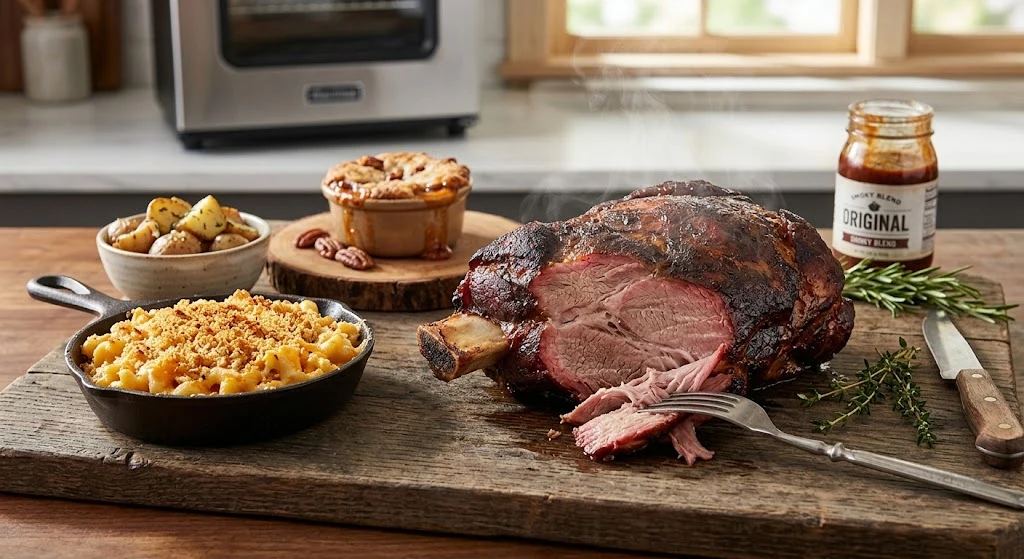
Electric Smoker Pulled Pork
Ingredients
- 6–8 pound pork shoulder or Boston butt
- 2 tablespoons yellow mustard, optional
- ¼ cup BBQ dry rub
- ½ cup apple juice, optional
- ½ cup BBQ sauce for serving
Method
- Trim only excessive surface fat.
- Apply mustard if using it as a binder.
- Coat generously with BBQ rub.
- Preheat to 225–250°F.
- Place pork in the smoker.
- Smoke until the desired bark develops.
- Continue until the pork becomes probe-tender.
- Rest the pork before pulling.
- Remove large pieces of fat and bone.
- Shred and mix with some of the juices.
Electric Smoker Brisket
Brisket is the long-game recipe. It rewards planning rather than rushing.
Ingredients
- 8–12 pound brisket or smaller flat
- Kosher salt
- Coarse black pepper
- Yellow mustard, optional
- Oak or hickory wood
- Beef broth or water, optional
Method
- Trim thick, hard pieces of surface fat.
- Apply mustard if desired.
- Season generously with salt and pepper.
- Preheat to 225–250°F.
- Position the brisket according to your smoker’s heat pattern.
- Keep the door closed as much as practical.
- Wrap after the bark develops if desired.
- Continue until probe-tender.
- Rest before slicing.
- Slice against the grain.
Smoked Baby Back Ribs
Ingredients
- 2 racks baby back ribs
- 2–3 tablespoons yellow mustard
- ¼ cup BBQ rub
- ½ cup apple juice
- ½ cup BBQ sauce
Method
- Remove the membrane.
- Pat dry.
- Apply mustard.
- Coat with BBQ rub.
- Preheat to 225–250°F.
- Smoke until deeply colored and tender.
- Wrap with apple juice if desired.
- Unwrap and sauce near the end.
- Rest briefly before slicing.
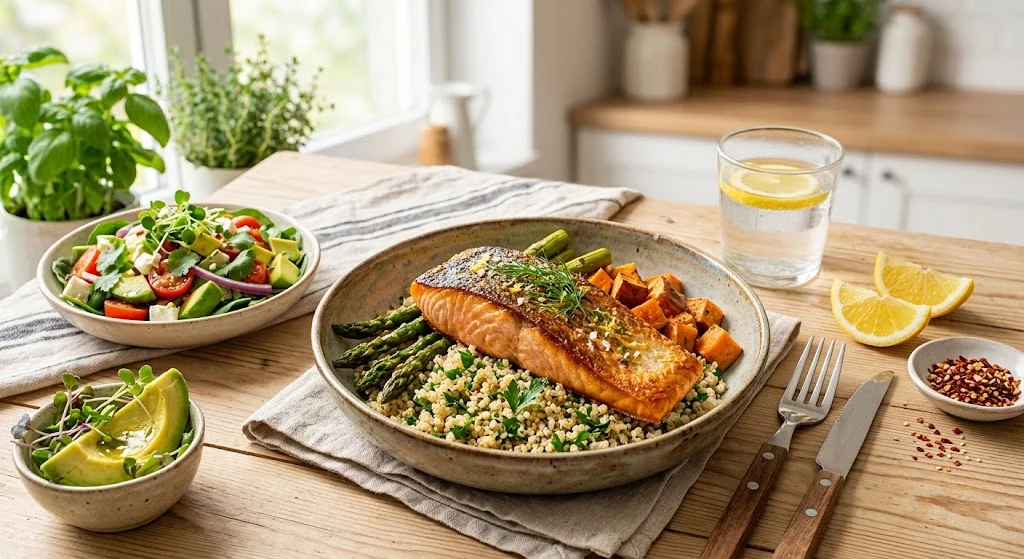
Smoked Salmon
Ingredients
- 4 salmon fillets
- 1 tablespoon olive oil
- 1 tablespoon brown sugar
- 1 teaspoon kosher salt
- ½ teaspoon black pepper
- Fresh dill
- Lemon
Method
- Pat salmon dry.
- Brush lightly with oil.
- Season with salt, brown sugar, pepper, and dill.
- Preheat to approximately 200–225°F.
- Place salmon skin-side down.
- Smoke until it reaches 145°F.
- Finish with lemon and fresh dill.
Smoked Sausage
- 1–2 pounds fully cooked smoked sausage or kielbasa
- 1 teaspoon olive oil, optional
- Black pepper
- BBQ sauce or mustard
- Preheat the smoker to 225–250°F.
- Place sausage on the rack with space around each piece.
- Smoke until heated thoroughly.
- For raw sausage, cook to the applicable safe internal temperature.
- Slice and serve with mustard, peppers, onions, or sauerkraut.
Smoked Turkey Breast
Ingredients
- 1 boneless or bone-in turkey breast
- 2 tablespoons softened butter
- 1 tablespoon paprika
- 2 teaspoons garlic powder
- 2 teaspoons onion powder
- 1 teaspoon black pepper
- 1 teaspoon kosher salt
- Apple or cherry wood
Method
- Pat turkey dry.
- Rub with butter.
- Combine seasonings and apply evenly.
- Preheat to 250–275°F.
- Smoke until the thickest section reaches 165°F.
- Rest before slicing.
Smoked Pork Chops
- 4 thick-cut pork chops
- 1 tablespoon olive oil
- 2 teaspoons paprika
- 1 teaspoon garlic powder
- 1 teaspoon onion powder
- 1 teaspoon kosher salt
- ½ teaspoon black pepper
- Pat chops dry.
- Coat lightly with oil.
- Season both sides.
- Preheat to 250–275°F.
- Smoke until the thickest part reaches 145°F.
- Rest for at least 3 minutes.
Smoked Baked Potatoes
- 4 large russet potatoes
- 1 tablespoon olive oil
- Kosher salt
- Black pepper
- Butter and toppings
- Scrub and dry potatoes.
- Pierce several times with a fork.
- Rub with oil and salt.
- Smoke at 250–275°F.
- Cook until completely tender.
- Split and serve with desired toppings.
Smoked Mac and Cheese
Ingredients
- 12 ounces elbow macaroni
- 2 cups shredded cheddar
- 1 cup Monterey Jack
- 2 cups milk
- 2 tablespoons butter
- 2 tablespoons flour
- ½ teaspoon mustard powder
- Salt and black pepper
- ½ cup breadcrumbs, optional
Method
- Cook pasta until just shy of fully tender.
- Make a cheese sauce with butter, flour, milk, and cheese.
- Stir in pasta.
- Transfer to a shallow smoker-safe dish.
- Top with cheese or breadcrumbs.
- Smoke at 225–250°F for 45–75 minutes.
- Remove when hot, bubbling, and lightly browned.
Smoked Jalapeño Poppers
- 12 jalapeños
- 8 ounces cream cheese, softened
- ½ cup shredded cheddar
- ½ teaspoon garlic powder
- 12 strips bacon, optional
- BBQ rub
- Slice jalapeños lengthwise.
- Remove seeds and membranes.
- Mix cream cheese, cheddar, and garlic powder.
- Fill peppers.
- Wrap with bacon if using.
- Season lightly with BBQ rub.
- Smoke at 225–250°F for about 60–90 minutes.
- Cook until peppers soften and bacon is properly cooked.
Smoked Corn on the Cob
- 4–6 ears corn
- Butter
- Salt
- Black pepper
- Lime or chili powder, optional
- Remove husks and silk, or smoke corn in the husk.
- Brush with butter if smoking without the husk.
- Smoke at 250–275°F.
- Turn occasionally.
- Cook until tender and lightly browned.
- Finish with butter, lime, chili powder, or cotija cheese.
Smoked Meatloaf
Ingredients
- 2 pounds ground beef
- 1 egg
- ¾ cup breadcrumbs
- ½ cup milk
- ½ cup finely diced onion
- 2 tablespoons ketchup
- 1 tablespoon Worcestershire sauce
- 1 teaspoon garlic powder
- 1 teaspoon salt
- ½ teaspoon black pepper
- BBQ sauce
Method
- Combine ingredients gently.
- Shape into a loaf without compacting excessively.
- Place on a rack or smoker-safe tray.
- Smoke at 250–275°F.
- Cook until the center reaches 160°F.
- Brush with BBQ sauce near the end.
- Rest before slicing.
Smoked Peach Cobbler
Ingredients
- 4 cups sliced peaches
- ½ cup brown sugar
- 1 teaspoon cinnamon
- 1 tablespoon lemon juice
- 1 cup all-purpose flour
- ½ cup sugar
- 1½ teaspoons baking powder
- ½ cup milk
- 4 tablespoons melted butter
Method
- Combine peaches, brown sugar, cinnamon, and lemon juice.
- Mix flour, sugar, baking powder, milk, and butter into batter.
- Spoon batter over peaches.
- Smoke at 250–275°F.
- Cook until bubbling and golden.
- Rest briefly before serving.
Electric Smoker Recipes by Time
Not every smoking day is a 12-hour barbecue project. Match the food to the amount of time you actually have.
⏱️ About 90 Minutes
- Smoked salmon
- Jalapeño poppers
- Sausage
- Corn
- Mac and cheese
⏱️ 2–4 Hours
- Chicken thighs
- Chicken wings
- Turkey breast
- Pork chops
- Baked potatoes
- Meatloaf
⏱️ Most of the Day
- Pulled pork
- Brisket
- Ribs
- Large beef cuts
Electric Smoker Recipes for Parties
For a backyard gathering, build a menu around one long cook, one quick cook, and two easy sides.
Easy BBQ Party Menu
Main: Smoked pulled pork
Second protein: Smoked sausage
Sides: Smoked mac and cheese + corn
Appetizer: Jalapeño poppers
Fresh side: Coleslaw or green salad
Dessert: Smoked peach cobbler
For a Smaller Gathering
- Chicken thighs
- Baked potatoes
- Smoked corn
- Jalapeño poppers
- Simple green salad
How Long Does Food Take in an Electric Smoker?
There is no universal smoking time per pound that guarantees doneness.
Cooking time changes with:
- Food thickness
- Starting temperature
- Bone-in versus boneless cuts
- Fat content
- Smoker temperature
- Outdoor temperature
- Wind
- Humidity
- Number of foods in the smoker
- How often the door is opened
- Individual smoker design
The Best Rule for Long Cooks
Build in extra time.
If you’re serving brisket at 6 p.m., don’t plan for it to finish at 5:45 p.m. Give yourself a meaningful buffer for the stall, tenderness checks, and resting.
Common Electric Smoker Mistakes
1. Trusting the Built-In Thermometer Blindly
The smoker’s display measures temperature at its sensor. Your food may be sitting somewhere warmer or cooler.
Fix: Compare it with an independent thermometer.
2. Opening the Door Constantly
Every peek changes the cooking environment.
Fix: Use a probe thermometer and check visually only when necessary.
3. Adding Too Much Wood
More smoke can produce a harsh, bitter flavor.
Fix: Follow your manufacturer’s wood instructions and aim for controlled smoke.
4. Cooking by the Clock
A recipe saying “8 hours” doesn’t mean every pork shoulder finishes after exactly 8 hours.
Fix: Cook by internal temperature and texture.
5. Using Sauce Too Early
Sugary BBQ sauce can darken or burn during a long cook.
Fix: Apply sauce toward the end unless the recipe calls for earlier application.
6. Cutting Meat Immediately
Large smoked cuts need time to rest.
Fix: Let brisket, pork shoulder, and other large cuts rest before slicing or pulling.
7. Crowding the Smoker
Food needs room for heat and smoke circulation.
Fix: Leave space between pieces whenever possible.
8. Using Color as the Only Safety Test
🌡️ Don’t Judge Doneness by Color
Smoke can give meat and poultry a pink exterior or smoke ring even when it is safely cooked. Use a food thermometer rather than color alone.
Electric Smoker Troubleshooting Guide
| Problem | Likely Cause | What to Try |
|---|---|---|
| Food tastes bitter | Excessive or dirty smoke | Reduce wood and check smoker airflow and cleanliness. |
| Little smoke flavor | Too little smoke exposure | Follow your smoker’s wood-loading instructions. |
| Chicken skin is rubbery | Low cooking temperature | Finish at a higher heat if your smoker permits. |
| Brisket is tough | Needs more cooking | Continue until probe-tender. |
| Meat is dry | Overcooking or lean cut | Monitor internal temperature more closely. |
| Temperature fluctuates | Weather, door opening, placement | Shield from wind and minimize door openings. |
| Cook is taking too long | Low cabinet temperature or large food load | Verify actual smoker temperature. |
| Bark is too dark | Excess heat, smoke, or sugar | Reduce smoke intensity and monitor temperature. |
Do You Need a Water Pan in an Electric Smoker?
Not always.
A water pan can help moderate the cooking environment and catch drippings, but whether you need one depends on your smoker design and the food you’re cooking.
If your manufacturer provides a water pan, follow the model-specific instructions.
Should You Wrap Smoked Meat?
Wrapping is a technique, not a requirement.
| Wrap When You Want | Leave Unwrapped When You Want |
|---|---|
| Faster cooking through the later stage | A firmer bark |
| Softer bark | More exposed smoke and heat |
| More moisture retention | A longer traditional-style cook |
| More predictable finishing time | Maximum bark development |
Brisket and pork shoulder can be cooked successfully either way. Choose based on the texture you want rather than following a rigid rule.
How to Store Smoked Meat Safely
After the meal, food safety becomes just as important as smoking technique.
For leftovers:
⚠️ Don’t Use Smell or Color as a Safety Test
Food can look and smell normal while still being unsafe if it has been stored improperly. Follow time and temperature guidance instead.
Electric Smoker Food Safety
Before Cooking
During Cooking
🌡️ Safe Minimum Internal Temperatures
- Poultry: 165°F
- Ground meats: 160°F
- Whole cuts of beef, pork, lamb and veal: 145°F + 3-minute rest
- Fish and shellfish: 145°F
These are food-safety minimums, not necessarily the ideal finishing temperatures for every barbecue cut.
Electric Smoker Recipe FAQ
Chicken thighs, chicken wings, sausage, salmon, and baked potatoes are excellent starting points. They cook faster than brisket and let you learn your smoker without committing to an all-day cook.
For many meat and poultry recipes, 225°F–275°F is a useful working range. USDA guidance states that smoker temperatures for meat and poultry should generally be monitored within 225°F–300°F, while your specific recipe and smoker instructions determine the best setting.
A brisket can take many hours, and large briskets can require 10–15 hours or more depending on size, smoker temperature, weather, and the individual piece of meat. Don’t remove brisket simply because a timer says it’s finished. Cook until it reaches the desired tenderness.
Yes, an overnight brisket cook can be planned, but only if your smoker is designed for the job, is positioned safely outdoors according to the manufacturer, and you can monitor it appropriately. Use a reliable temperature probe and follow the smoker’s operating and safety instructions.
Electric smokers often produce less visible smoke than traditional offset smokers. Check whether the wood-chip system is loaded correctly, whether the chips are appropriate for your smoker, whether the smoker reaches the intended temperature, and whether airflow is unobstructed.
Visible clouds of smoke are not the goal. Controlled smoke exposure is.
Follow your smoker manufacturer’s instructions. Some electric smokers are designed for dry chips and specific loading systems. Soaking chips isn’t a universal requirement and can interfere with how certain electric smokers generate smoke.
Yes. Smoke can create a pink color in poultry even after it has reached a safe internal temperature. Use a food thermometer rather than judging poultry safety by color.
Apple and cherry are excellent mild choices. Pecan also works well when you want a slightly richer flavor.
Oak and hickory are popular choices for beef because they provide a stronger smoke profile. Oak is a useful starting point when you want substantial smoke without an overly aggressive flavor.
Absolutely. Try potatoes, corn, onions, peppers, mushrooms, zucchini, carrots, and squash. Vegetables generally need less smoke exposure than large cuts of meat, so start with mild wood and check them early.
Yes. Peach cobbler, baked apples, smoked brownies, and other oven-style desserts can work well. Use mild fruitwood and avoid excessive smoke because sweet and delicate foods can become overwhelmed quickly.
Final Thoughts on Electric Smoker Recipes
The best electric smoker recipes aren’t necessarily the ones with the longest ingredient lists or the most complicated barbecue techniques.
They’re the recipes that help you understand how your smoker behaves.
Start with chicken thighs, wings, salmon, sausage, potatoes, or vegetables. Once you understand your smoker’s temperature behavior and smoke output, move into ribs, turkey, pork shoulder, and brisket.
Use the clock to plan, the thermometer to measure, and tenderness to decide when barbecue is truly finished.
That approach turns an electric smoker from a box that produces smoke into a dependable outdoor cooking tool capable of everything from a quick weeknight salmon dinner to an all-day brisket feast.
Read More :