Looking for a healthy brownie alternative that still delivers a rich, fudgy chocolate experience? These cannellini bean brownies use creamy white beans as a flourless base for a soft, moist dessert that can easily be adapted for gluten-free or vegan diets.
Quick Answer: Are Cannellini Bean Brownies Healthy and Do They Taste Good?
Cannellini bean brownies are a flourless dessert made by blending white beans with cocoa, sweeteners, and other baking ingredients to create soft, rich brownies. The beans provide moisture, structure, and fiber without requiring traditional flour.
They can be a higher-fiber alternative to some traditional brownie recipes and can be adapted to be vegan or dairy-free. The exact nutritional profile depends on the ingredients and quantities used.
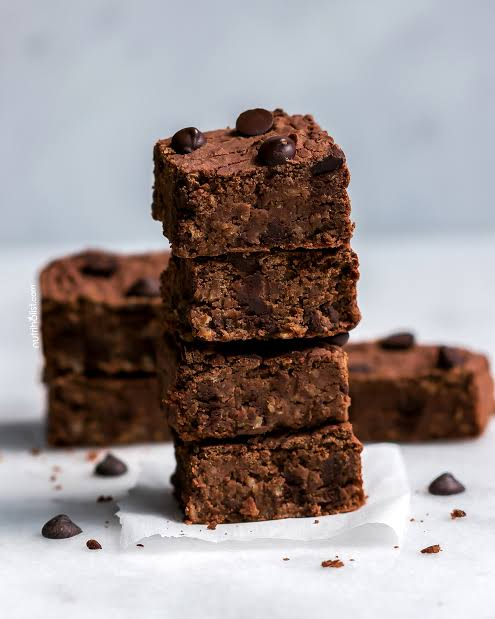
When properly blended and strongly flavored with cocoa, the finished brownies can taste deeply chocolatey rather than distinctly bean-like. The expected texture is soft, moist, and fudgy.
Cannellini Bean Brownies Recipe
A simple flourless brownie method focused on a smooth batter and fudgy texture.
Ingredients
- Cannellini beans — rinsed and drained
- Cocoa powder — for deep chocolate flavor
- Sweetener — sugar, maple syrup, or honey
- Eggs — or flax/chia egg for a vegan version
- Oil or butter — for moisture and richness
Method
- Rinse the beans. Drain and rinse the cannellini beans thoroughly to remove excess liquid, sodium, and any lingering bean flavor.
- Blend until completely smooth. Add the beans to a blender or food processor and process until creamy. This is the most important step for avoiding a grainy brownie texture.
- Mix the batter. Combine the smooth bean mixture with cocoa powder, sweetener, eggs or a vegan substitute, and oil or butter. Mix until thick and smooth.
- Bake. Transfer the batter to a lined baking pan and bake at approximately 350°F / 175–180°C, following the finalized recipe’s baking time. The edges should be set while the center remains slightly soft for a fudgy result.
- Cool completely. Allow the brownies to cool before slicing. Cooling helps the structure firm up and produces a cleaner, fudgier texture.
What Are Cannellini Bean Brownies?
Cannellini bean brownies are a healthy brownie alternative made using white beans instead of traditional flour. Blended cannellini beans create a creamy base that contributes moisture and structure.
Think of them as regular brownies with a different foundation. The beans are blended until smooth and combined with cocoa, sweetener, and other baking ingredients before being baked into soft, chocolatey brownies.
Unlike traditional brownies, these flourless brownies with beans can provide more fiber while remaining naturally flourless. The final texture is generally more dense and creamy than a cake-style brownie.
Why This Recipe Works: The Secret Behind the Fudgy Texture
This cannellini bean brownies recipe works because each ingredient contributes to the final balance of texture, moisture, and chocolate flavor.
Why Use Cannellini Beans in Brownies? Health + Nutrition Benefits
Using cannellini beans in brownies may sound unusual, but beans can be a useful ingredient in flourless baked desserts.
Cannellini beans naturally contain fiber and plant-based protein. Replacing some traditional brownie ingredients with beans can therefore change the nutritional profile of the dessert.
Because the beans are blended into the batter, they also provide a creamy structure without relying on traditional wheat flour. This makes the brownies naturally flourless and suitable for gluten-free recipes when all other ingredients are also certified gluten-free.
“Gluten-free” depends on the complete ingredient list and preparation environment. If you need to avoid gluten strictly, check labels for cocoa, chocolate chips, flavorings, and other packaged ingredients for gluten-containing additives or cross-contact statements.
Do Cannellini Bean Brownies Taste Like Beans?
They should not have a strong bean flavor when made correctly. Cannellini beans have a relatively mild flavor, while cocoa and sweeteners provide the dominant taste.
When the recipe is successful, expect:
- A deep chocolate flavor
- A mildly sweet finish
- A soft, fudgy texture
- A slightly denser bite than traditional cake-style brownies
Ingredients Breakdown: Roles + Smart Substitutes
Cannellini Beans — Base + Structure
The beans are the star ingredient. They replace traditional flour in the base and contribute moisture, structure, and fiber. Rinse them thoroughly before blending.
Cocoa Powder — Dominant Chocolate Flavor
Cocoa powder gives the brownies their rich chocolate character and helps balance the mild flavor of the beans.
Sweeteners — Sugar, Maple Syrup, or Honey
- Regular sugar: classic sweetness and brownie flavor.
- Maple syrup: adds a distinctive maple note.
- Honey: provides a different style of sweetness.
Eggs or Vegan Egg Alternatives
Eggs help bind the ingredients and contribute to texture. For a vegan version, a flax egg or chia egg can be used, although the final texture may differ from the egg-based version.
Oil or Butter
- Butter: richer flavor.
- Coconut oil: useful for a dairy-free version.
- Olive oil: adds its own subtle flavor.
How to Make Cannellini Bean Brownies: Step-by-Step Guide
1. Rinse the Beans — Important
Drain and rinse the cannellini beans thoroughly. This helps remove excess liquid and can reduce unwanted bean flavor.
2. Blend Until Smooth — Critical Step
Add the rinsed beans to a blender or food processor. Blend until the mixture is completely smooth and creamy. Do not rush this step.
3. Mix the Ingredients
Combine the smooth bean mixture with cocoa powder, sweetener, eggs or vegan substitute, and oil or butter. Mix until you have a thick, smooth batter.
4. Bake Properly
Transfer the batter to a lined baking pan. A typical baking temperature is around 350°F / 175–180°C. Bake until the edges are set while the center remains slightly soft.
5. Cool Before Cutting
Let the brownies cool completely before slicing. This allows the structure to firm and makes it easier to achieve clean pieces.
Pro Tips for Perfect Fudgy Cannellini Bean Brownies
Common Mistakes + Quick Fixes
| Problem | Likely Cause | Quick Fix |
|---|---|---|
| Grainy texture | Beans were not blended enough | Blend the batter longer until completely smooth |
| Too soft | Underbaking or excess moisture | Bake slightly longer and cool completely |
| Too dry | Overbaking | Reduce baking time next time |
| Bean flavor | Beans were not rinsed or chocolate flavor was too weak | Rinse thoroughly and use flavorful cocoa powder |
Texture & Taste Guide: Fudgy vs. Cakey
Expected Texture
- Fudgy and moist
- Slightly dense
- Rich and smooth
How to Adjust the Texture
- Extra fudgy: avoid overbaking.
- Firmer: bake slightly longer.
- Softer: the recipe can be adjusted with additional moisture, depending on the finalized formula.
Because these flourless brownies with beans rely on blended beans rather than refined flour, their structure is naturally more dense and creamy than many conventional brownies.
Are Cannellini Bean Brownies Healthy?
Cannellini bean brownies can be a more nutrient-dense dessert option than some traditional brownie recipes, particularly when they use beans, cocoa, and moderate amounts of added sugar and fat.
Calories vs. Regular Brownies
It is not accurate to assume that every bean brownie is automatically lower in calories. Calories depend on the complete recipe, especially the amounts of sweetener, oil, butter, chocolate, and other additions.
Fiber + Protein
Cannellini beans contribute fiber and plant-based protein, which can make the dessert nutritionally different from a conventional flour-based brownie.
Are They Weight-Loss Friendly?
These brownies are still a dessert. They can fit into a balanced eating pattern, but portion size and the overall recipe composition matter more than simply calling them “healthy.”
Adding beans does not automatically make a brownie low-calorie, low-sugar, or suitable for weight loss. The nutritional value depends on the complete ingredient list, quantities, and serving size.
Cannellini Bean Brownies vs. Regular Brownies
| Feature | Cannellini Bean Brownies | Regular Brownies |
|---|---|---|
| Main structure | Blended cannellini beans | Usually flour-based |
| Texture | Fudgy and dense | Can range from fudgy to cakey |
| Fiber | Beans contribute fiber | Depends on the recipe and flour used |
| Gluten-free potential | Yes, when all ingredients are gluten-free | Not usually when made with wheat flour |
| Flavor profile | Deep chocolate with mild bean flavor when well made | Traditional chocolate brownie flavor |
Who Should Try These Brownies?
- Fitness-focused eaters: a way to add beans, fiber, and plant protein to a dessert.
- Vegans: the recipe can be adapted using flax or chia egg substitutes.
- Gluten-free eaters: the brownies can be naturally flourless, provided every ingredient is gluten-free.
- Families: the chocolate flavor can make beans less noticeable to picky eaters.
Flavor Variations You Must Try
What Makes This Cannellini Bean Brownie Recipe Different?
The biggest focus of this method is texture, chocolate flavor, and simplicity.
- Smoother texture: thoroughly blending the beans minimizes graininess.
- Stronger chocolate flavor: flavorful cocoa helps balance the mild bean taste.
- Simple preparation: the basic method uses accessible ingredients and straightforward steps.
What to Serve With Cannellini Bean Brownies
- Ice cream: vanilla or chocolate creates a classic brownie dessert.
- Fresh fruit: strawberries, raspberries, or other berries add freshness and acidity.
- Coffee: coffee pairs naturally with rich chocolate flavors.
Storage & Shelf Life Guide
Refrigerator Storage
Store the brownies in an airtight container in the refrigerator. Chilling can also make the fudgy texture firmer.
Freezing Tips
For longer storage, wrap individual brownies and place them in a freezer-safe container. Thaw before serving.
How Long Do They Last?
| Storage Method | Suggested Period | Best Practice |
|---|---|---|
| Refrigerator | About 4–5 days | Keep sealed in an airtight container |
| Freezer | About 2–3 months | Wrap portions well and use a freezer-safe container |
Because this recipe may contain eggs or other perishable ingredients, refrigerate leftovers promptly rather than leaving them at room temperature for extended periods.
Why Bean Desserts Are Trending
Bean-based desserts fit several current food trends, including interest in whole-food ingredients, plant-based eating, fiber-rich foods, and alternative baking techniques.
Whole-Food Ingredients
Beans can replace or supplement conventional baking ingredients while adding fiber and plant-based protein.
Hidden Nutrition
Similar to desserts made with zucchini or sweet potato, bean brownies provide another way to incorporate nutrient-containing ingredients into a sweet recipe.
Protein + Fiber-Focused Sweets
Consumers interested in more nutrient-dense desserts may find bean-based recipes appealing because beans naturally provide both protein and fiber.
FAQs About Cannellini Bean Brownies
Can you taste beans in brownies?
You generally should not notice a strong bean flavor when the beans are thoroughly rinsed and blended and the recipe contains enough cocoa and sweetener to create a strong chocolate profile.
Are bean brownies gluten-free?
They can be. Because cannellini beans do not contain wheat flour, the brownies can be naturally flourless and gluten-free. However, check every packaged ingredient if you need strict gluten avoidance.
Can I make cannellini bean brownies vegan?
Yes. Replace the eggs with a suitable flax egg or chia egg. Keep in mind that substitutions can slightly change the final texture.
Why are my bean brownies too soft?
They may be underbaked or contain too much moisture. Try baking them slightly longer and allow them to cool completely before judging the final texture.
Can I use other beans?
Yes. Black beans and chickpeas are commonly used in alternative brownie recipes. Cannellini beans are particularly useful when you want a mild flavor and creamy texture.
Final Thoughts
Cannellini bean brownies are a creative way to make a rich, chocolatey dessert with a flourless bean-based foundation. When the beans are thoroughly blended and the brownies are not overbaked, the result can be soft, moist, fudgy, and deeply chocolatey.
They are also flexible enough to adapt for vegan and gluten-free lifestyles, provided the rest of the ingredients meet those requirements. Whether you’re experimenting with alternative baking or simply want to try a different kind of brownie, this recipe offers a simple starting point.
Read More :